
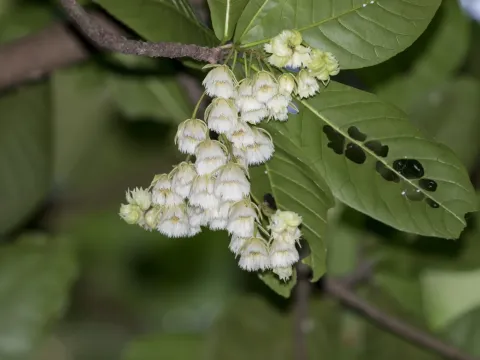
Elaeocarpus tuberculatus
Elaeocarpus tuberculatus
Propagation of Elaeocarpus tuberculatus is typically achieved through seeds, which require specific preparation due to their hard endocarp. Seeds should be soaked or scarified to increase the germination rate significantly.
What the section contains
Elaeocarpus tuberculatus
The sowing process involves using a well-draining, nutrient-rich soil medium. It is essential to maintain a warm and humid environment, with temperatures ranging from +25°C to +28°C for successful sprouting.
Seedlings should be moved into individual containers once they develop their first set of true leaves. Gentle handling is necessary to protect the sensitive root system during this transition.
In nursery environments, seedlings should be shielded from intense direct sunlight until they reach a height of at least 50 centimeters. Gradual hardening-off is vital for survival after field transplanting.
The best time for permanent field establishment is the onset of the rainy season, ensuring the young trees have sufficient water to develop a robust root system during their first growth year.
Elaeocarpus tuberculatus, a member of the Elaeocarpaceae family, is a stately evergreen tree. It originates from tropical rainforests, which dictate its preference for high humidity and consistent moisture.
The tree thrives in fertile, loamy, or sandy-loam soils. Good drainage is paramount, as the species is highly susceptible to root decay if water stagnation occurs in the root zone for prolonged periods.
Climatically, this species prefers warm tropical conditions, with an ideal temperature range between +20°C and +32°C. It performs best in areas protected from strong, dry, and cold winds.
Regular irrigation is required, especially in younger stages, to maintain high soil moisture levels. Adding a layer of organic mulch around the base helps retain moisture and provides slow-release nutrients.
Routine fertilization with a balanced mix during the active growing season promotes vibrant foliage and healthy wood production, supporting the structural integrity of the growing tree.
The economic utility of the tree centers on its drupe-like fruits, which feature a distinctively tubercled or bumpy surface. These are often harvested for traditional use or ornamental seed bead production.
Fruiting typically begins once the tree reaches physiological maturity, which usually takes between 7 and 10 years. Fruit quality is maximized when trees are planted in optimal sunlight exposure.
Harvesting is labor-intensive and performed manually. Mature fruits are picked when the skin color transitions to a deep blue or black, signaling full maturity of the internal seeds.
Beyond seed production, the wood of the tree is sometimes harvested for local woodworking. It is valued for its durability and suitability for moderate-stress architectural uses.
In landscape architecture, the tree serves as a focal point in botanical gardens and large tropical estates, valued for its dense, glossy canopy and interesting fruit morphology.
Root rot, caused by various fungal pathogens under waterlogged soil conditions, represents the primary threat to the vitality of Elaeocarpus tuberculatus.
Pest management focuses on controlling sucking insects, particularly scale insects and spider mites, which can cause significant stress by depleting the nutrient supply of young leaves.
Integrated Pest Management (IPM) practices, such as applying horticultural oils or soaps, are recommended to maintain plant health without disrupting the surrounding ecosystem.
Nutrient deficiencies, particularly chlorosis caused by iron or magnesium lock-out in alkaline soils, should be addressed by monitoring leaf color and soil pH levels regularly.
Pruning is an effective preventive measure; removing dead or diseased branches ensures good airflow throughout the canopy, reducing the likelihood of fungal infections during the humid season.