
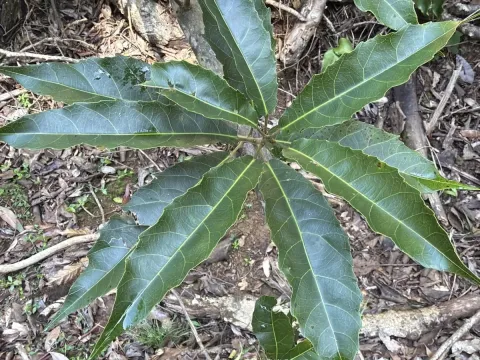
Sloanea
Sloanea
Sloanea is a genus of evergreen or deciduous trees belonging to the Elaeocarpaceae family. These plants are primarily native to the tropical and subtropical regions of the Americas, Asia, and Australia.
What the section contains


Sloanea
The culture requires a consistently warm tropical climate, as it is highly sensitive to frost and extreme temperature fluctuations.
Soil preferences include deep, nutrient-rich, and well-draining substrates that mimic the natural conditions of tropical forest floors.
Adequate rainfall and high air humidity are crucial for the development of Sloanea, especially during the establishment phase of the plantation.
Proper site selection must balance the need for sufficient sunlight with protection from high-velocity winds that can damage the tree canopy.
The primary agricultural and economic use of Sloanea relates to the extraction of valuable timber, known for its durability and structural integrity.
While the fruit and seeds of some species are utilized in local traditional crafts, there is no large-scale global food industry based on this genus.
Harvesting wood is a long-term enterprise due to the slow growth rate of many species, requiring strategic planning for sustainable forestry.
The trees also serve as essential components in reforestation projects, contributing to soil stabilization and biodiversity conservation.
Improving the yields involves selective breeding and optimized silvicultural practices to enhance both timber quality and tree resilience.
Sloanea trees face significant threats from soil-borne pathogens, particularly root rot fungi that thrive in waterlogged conditions.
Pest pressure from tropical insects, which target young shoots and foliage, necessitates careful monitoring in both wild and cultivated settings.
Poor ventilation within plantations can lead to increased vulnerability to leaf spot diseases and other fungal infections.
Habitat fragmentation poses a continuous risk to the survival of endemic species, necessitating conservation efforts alongside sustainable management.
- Integrated pest management is recommended to control insect populations without harming the ecosystem.
- Maintaining soil structure via proper mulching helps preserve root health.