
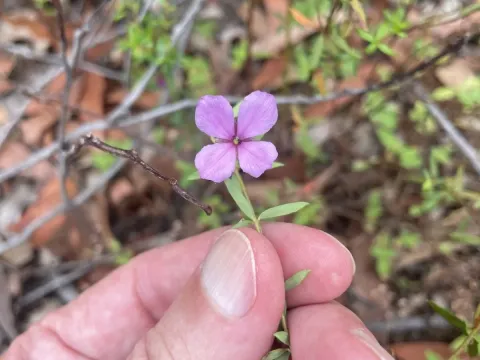
Tetratheca
Tetratheca
Tetratheca propagation is typically initiated in late winter, utilizing high-quality seed trays filled with a well-draining, sterile potting mix.
What the section contains
Tetratheca
The seeds require a consistent environment with temperatures between 18 and 22 degrees Celsius to facilitate successful germination and initial root development.
For professional cultivation, it is advisable to use seed priming techniques to ensure uniform germination rates across all sowing batches.
Seedlings should be handled with extreme care during the transplanting phase to avoid damaging the delicate, fibrous root system inherent to the species.
Once established in individual pots, the plants require a hardening-off period before being moved to their final outdoor or greenhouse locations.
Tetratheca belongs to the Elaeocarpaceae family and is widely recognized for its distribution across various climatic regions of Australia, specifically favoring heathlands.
The plant strictly requires acidic soil conditions; alkaline soils will lead to nutrient lockout, causing yellowing and stunted growth of the foliage.
An optimal location should provide bright, filtered sunlight, as intense exposure to direct afternoon sun can desiccate the plant and cause leaf scorch.
Drainage is the most critical factor in the cultivation of this species; it thrives in sites where water can move through the soil profile rapidly.
Fertilization must be approached with caution, as the plant is adapted to phosphorus-poor soils, and excessive nutrient input can be detrimental to its health.
Spider mites represent a primary pest challenge for Tetratheca, especially in environments where humidity levels are kept too low during summer.
Phytophthora root rot remains a significant threat, often resulting from poor irrigation management or the use of heavy, compacted soil mediums.
Fungal infections, such as grey mould, can occur if the canopy remains wet for extended periods or if air circulation around the plants is insufficient.
Aphid infestations may periodically target the soft, succulent tips of new growth, requiring immediate intervention with mild systemic insecticides.
Integrated pest management strategies, emphasizing early detection and environmental control, are essential to maintain the vitality of a Tetratheca crop.