
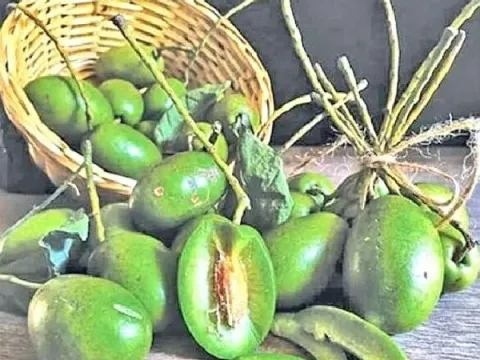
Elaeocarpus varunua
Elaeocarpus varunua
Elaeocarpus varunua is a significant member of the Elaeocarpaceae family, known as a large, evergreen, broad-leaved tree. It is highly valued for its medicinal properties and serves as a vital component in tropical silviculture.
What the section contains
Elaeocarpus varunua
The plant requires a humid, tropical environment with high annual rainfall to thrive. Optimal soil conditions include deep, well-draining, and nutrient-rich soils that support extensive root development and provide constant access to moisture.
In terms of cultivation, it is sensitive to cold temperatures and cannot withstand frost. Successful establishment requires a protected site with partial shade for seedlings, transitioning to full sun exposure as the tree matures into the canopy.
Agronomic maintenance includes regular soil enrichment with organic compost to sustain high growth rates. Proper site selection is crucial to ensure that the soil remains moist without becoming waterlogged, as root health is paramount.
The tree is primarily cultivated for its bark, which is a major resource in traditional and modern herbal medicine. It is often harvested sustainably from agroforestry systems where the trees are managed as a long-term economic crop.
Root rot caused by stagnant water is the most critical threat to Elaeocarpus varunua plantations. Maintaining proper drainage and ensuring that the soil structure is not compacted are the primary preventative measures.
Common insect pests include scale insects and various leaf-feeding caterpillars that can significantly reduce photosynthetic capacity. Regular scouting and integrated pest management are essential for large-scale operations.
Stem borers pose a latent threat to the integrity of the tree's wood, especially when the plant is under abiotic stress. Preventive trunk care and maintaining optimal plant vigor are effective strategies to deter wood-boring insects.
Fungal leaf spots can occur during periods of prolonged high humidity and low air circulation. Implementing wider planting spacing helps facilitate airflow and reduces the incidence of localized outbreaks.
Monitoring for signs of nutrient deficiency is also critical, as chlorosis can weaken the tree, making it more susceptible to opportunistic pathogens. A balanced fertilization program remains the best defense against systemic diseases.