
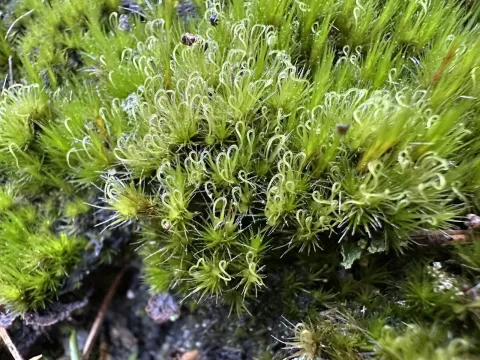
Campylopus introflexus
Campylopus introflexus
Campylopus introflexus belongs to the Dicranaceae family and is recognized as a highly invasive moss species in many parts of the world. While not an agricultural crop, it poses significant challenges for land managers, nurseries, and grassland stewards.
What the section contains
Campylopus introflexus
Native to the Southern Hemisphere, this species has successfully colonized diverse habitats across Europe and North America. It thrives in open, disturbed environments where competitive pressure from vascular plants is significantly reduced.
The ecological requirements of this moss include acidic, nutrient-poor, and well-drained soils. It is particularly successful in colonizing sandy substrates, peat bogs, and areas exposed to high levels of sunlight, as it is a strictly heliophilous species.
This moss is remarkably drought-tolerant, capable of surviving periods of desiccation through physiological adaptation. Its life cycle allows for rapid colonization of bare ground through fragmentation, where even small pieces of the plant can establish new colonies.
Agronomically, it serves as a bioindicator of soil acidity and structural degradation. Management practices aimed at controlling the moss involve altering soil chemistry and increasing the competitive density of desired plant species.
The primary threat posed by C. introflexus is its ability to form dense, mat-like colonies that physically impede the germination and establishment of seeds. This results in reduced pasture productivity and economic losses in commercial nurseries.
Effective control strategies focus on liming applications to neutralize soil pH, which directly inhibits the growth of this acidophilic species. Physical removal and mechanical disturbance are also common methods for small-scale eradication.
Cultural practices that promote a dense vegetative cover are the best natural defense against this invasive moss. By ensuring high nutrient availability and minimizing bare soil exposure, landowners can naturally suppress the expansion of C. introflexus.
In containerized nursery stock, preventing the introduction of moss fragments is critical. Using high-quality mulch and ensuring rapid irrigation drainage can reduce the humidity levels that favor moss spore germination.
Long-term management requires a shift in soil health practices to prevent the compaction and nutrient depletion that characterize sites vulnerable to invasion. Fertilization programs must be balanced to support crop growth without favoring bryophyte colonization.