
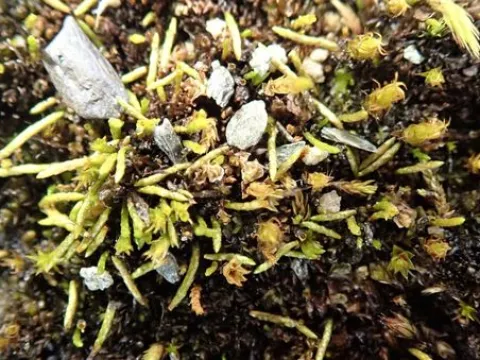
Aongstroemia longipes
Aongstroemia longipes
Aongstroemia longipes is a moss species belonging to the Dicranaceae family. While not categorized as a traditional commercial agricultural crop, it is of significant interest in botanical studies, plant ecology, and micro-landscape development.
What the section contains
Aongstroemia longipes
This species naturally inhabits moist environments where humidity levels remain relatively high throughout the year. It thrives in shaded or semi-shaded locations that provide protection from extreme dehydration and direct sunlight.
The morphology of the plant includes dense, small stems that effectively capture moisture from atmospheric sources. The leaves are structurally adapted to minimize water loss while maximizing gas exchange during periods of high humidity.
In terms of substrate requirements, Aongstroemia longipes prefers acidic soil conditions with minimal nutrient loading. Unlike agricultural crops that require fertilization, this species is highly sensitive to salt accumulation and mineral-rich fertilizers which can be fatal to the colony.
Its primary use today is in the field of terrarium design and ecological research, where it serves as a sensitive indicator species for environmental health and moisture stability in micro-habitats.
The primary threats to Aongstroemia longipes colonies are prolonged drought periods and significant shifts in local hydrological cycles that reduce ambient humidity.
Contamination of the substrate by agricultural chemicals, particularly herbicides and pesticides, leads to rapid necrosis of the moss tissues. The species has no natural immunity to these synthetic compounds.
Excessive temperature fluctuations and heat waves pose a severe risk, as the plant lacks effective cooling mechanisms and is prone to irreversible desiccation under high temperatures.
In indoor cultivation settings, poor air circulation promotes the growth of opportunistic fungal molds that can smother and destroy the moss cushions within a few days.
Habitat fragmentation and the introduction of invasive, faster-growing species often lead to the displacement of Aongstroemia longipes from its traditional ecological niches.