
Campylopus subporodictyon
Campylopus subporodictyon
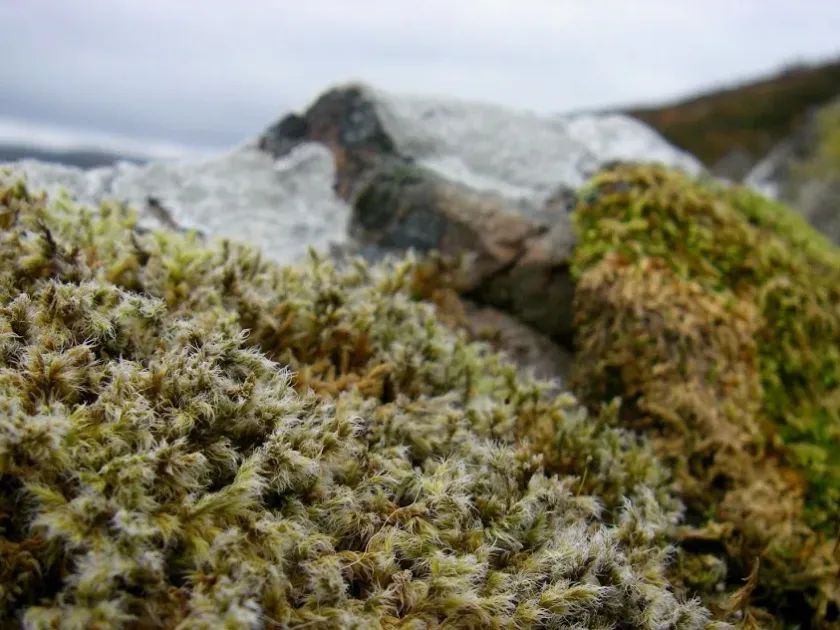
Description
Growing requirements
Campylopus subporodictyon is a species of moss belonging to the family Dicranaceae. It is commonly found in forest ecosystems where it forms dense carpets on organic substrates, such as decaying wood or damp forest soil.
The plant is not classified as an agricultural crop but serves as a vital biological indicator within its habitat. Its presence is closely linked to stable environmental conditions, particularly regarding air quality and moisture levels.
Environmental requirements include a need for consistently high atmospheric humidity and shaded locations. The species cannot tolerate direct sunlight or prolonged desiccation, which can cause its foliage to lose its characteristic hydration.
The climate optimal for this moss is characterized by mild temperatures and regular precipitation. It is particularly well-adapted to oceanic climates where the risk of severe drought is minimized during the growing season.
Botanically, the species is structured to capture and retain moisture efficiently. This trait plays a crucial role in maintaining the micro-environment of the forest floor, supporting the diversity of local soil-dwelling microorganisms.
Main diseases and pests
The primary threats to Campylopus subporodictyon are deforestation and the alteration of local hydrology. The drainage of wetlands or nearby forest areas can quickly destroy the essential damp environment required for its survival.
Air pollution acts as a major stressor for this bryophyte. Increased levels of sulfur dioxide or atmospheric nitrogen deposition lead to necrosis of the moss shoots, making it sensitive to industrial impact.
Competition from faster-growing invasive plants poses another risk. In areas where forest canopy is disturbed, changing light conditions favor more aggressive vegetation, often resulting in the displacement of this slow-growing moss.
Climate change, manifesting in prolonged heatwaves and droughts, poses a long-term risk. These conditions severely hinder the reproductive success of the species, as spores require specific moisture conditions to establish new colonies.
Human activities, such as soil compaction or intensive forest management, lead to the fragmentation of its habitat. Once a colony is physically disrupted, its ability to recolonize the area is notably restricted by slow growth rates.