
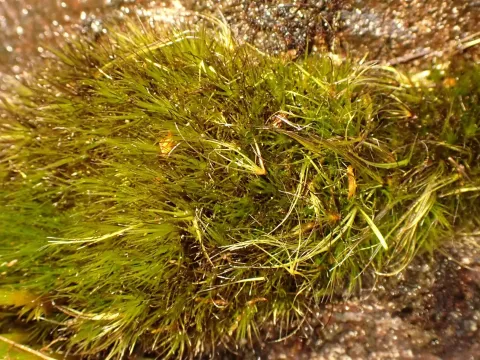
Campylopus atrovirens
Campylopus atrovirens
Campylopus atrovirens is a species of moss belonging to the family Dicranaceae. While not categorized as a commercial agricultural crop, this bryophyte serves as a vital component of peatlands and humid forest ecosystems worldwide.
What the section contains
Campylopus atrovirens
Botanically, the species is recognized by its dense, cushion-like tufts that appear dark green or blackish. The stems are typically erect, densely foliose, and reach lengths of several centimeters, allowing the plant to effectively capture and store atmospheric moisture.
The habitat requirements of this moss center on high levels of humidity and acidic substrates. It is most commonly found in wetlands, near mountain streams, and on damp rocky slopes, where consistent moisture levels are sustained throughout the growing season.
Geographically, its distribution is linked to regions with oceanic or temperate climates. It thrives particularly well in Western Europe and along coastal areas, where the climate is characterized by frequent precipitation and high relative humidity.
Regarding its utility, the moss does not have conventional agricultural applications. However, it is highly regarded in ecology as a bioindicator. Its presence often signifies stable hydrological conditions and clean air, making it a subject of interest in environmental conservation efforts.