
Campylopus brevipilus
Campylopus brevipilus
Campylopus brevipilus is a notable species within the Dicranaceae family, recognized for its specific morphology and preference for acidic habitats. As a bryophyte, it lacks the complex vascular system found in higher plants, relying instead on its ability to absorb moisture directly from the environment through its leaves and stem structures.
What the section contains
Campylopus brevipilus
This species is predominantly found in Europe, favoring oceanic climates with high precipitation levels. It typically thrives in nutrient-poor environments, such as heathlands, raised bogs, and areas with sandy, acidic substrates where competing vegetation is limited by soil pH and moisture conditions.
The plant demonstrates high ecological stability by forming dense mats that protect the soil surface from erosion and moisture loss. While not used in commercial agriculture, it serves as an essential indicator of environmental quality and habitat integrity in wetlands and semi-natural landscapes.
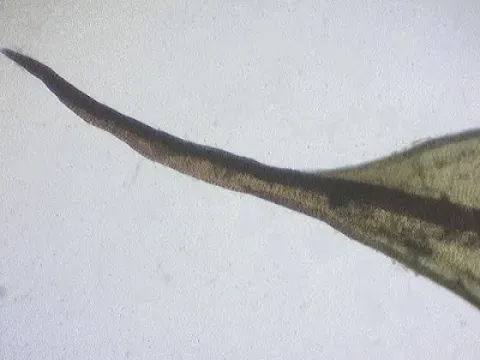
Botanically, Campylopus brevipilus is characterized by short, hair-pointed leaves that create a distinct appearance in the field. It spreads mainly through vegetative means, allowing it to colonize available moisture-rich niches within its geographical range during favorable seasons.
Conservation of its natural habitat is crucial, as this species is highly sensitive to changes in air quality and water table levels. Its presence contributes significantly to the local microclimate, providing shelter for various micro-invertebrates and fostering the development of specialized soil microbiota.