
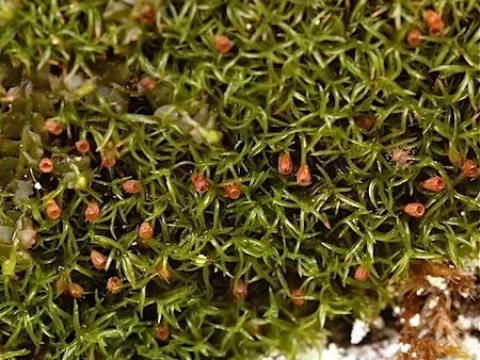
Amphidium lapponicum
Amphidium lapponicum
Amphidium lapponicum is a species of moss belonging to the Orthotrichaceae family. It is strictly a wild botanical species and holds no status as an agricultural crop or cultivated plant in any farming system.
What the section contains
Amphidium lapponicum
The plant is naturally adapted to cool and temperate environments. It is widely distributed across high-latitude regions and alpine zones, where consistent moisture levels are available throughout the vegetative period.
Botanically, this moss is an epilith, typically found growing in crevices of vertical rock faces. These sites provide a unique micro-environment that shields the plant from excessive wind and helps retain humidity.
The plant requires high levels of atmospheric humidity for optimal growth. Unlike many agricultural crops, it lacks root systems designed for soil uptake, relying instead on its surface structures to absorb minerals from water runoff.
Light requirements for Amphidium lapponicum are generally classified as shade-tolerant or semi-shaded. It performs best on rock faces that do not experience direct, intense solar radiation during the heat of the day.
The primary threat to the stability of Amphidium lapponicum populations is microclimate degradation. Persistent drought conditions resulting from climate change can prevent the maturation of sporophytes.
Habitat loss due to quarrying, mountain infrastructure development, or rock climbing activities directly destroys the specific cliff crevices required for the survival of this moss species.
Atmospheric pollution, particularly nitrogen and sulfur compounds, acts as a significant stressor. Such chemical changes can alter the pH balance of the rock surface, making it uninhabitable for the moss.
Increased interspecific competition is also a major concern. As alpine climates shift, faster-growing vascular plants may colonize rock crevices, displacing the slower-growing moss colonies.
Fungal pathogens represent a biological threat, especially in areas with stagnant air and excessive moisture, which can lead to the decay of the moss cushion, thereby reducing its reproductive potential.