
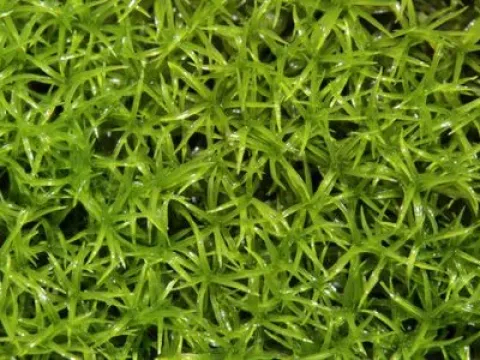
Amphidium mougeotii
Amphidium mougeotii
Amphidium mougeotii is a specialized moss species belonging to the family Amphidiaceae. It is typically found growing in dense tufts on moist, shaded rock faces in temperate mountain regions.
What the section contains
Amphidium mougeotii
The plant demonstrates a strong preference for habitats with high atmospheric humidity, such as areas near waterfalls, spray zones, or deep, cool rock crevices that retain moisture.
Regarding soil and substrate requirements, it thrives on both acidic and basic rock surfaces where it can secure its rhizoids into narrow cracks and fissures, effectively capturing mineral dust.
Its botanical features include narrow, lanceolate leaves that exhibit significant hygroscopic properties, allowing the plant to recover quickly after periods of reduced hydration.
While not a conventional agricultural crop, it serves as a critical indicator species for bryologists, marking areas of ecological stability and clean, unpolluted environmental conditions.
The primary threats to Amphidium mougeotii involve the degradation of its sensitive micro-habitats due to climate-induced drying trends in high-altitude environments.
Air pollution represents a severe risk, as mosses lack a protective cuticle and absorb minerals and toxins directly through their leaves, making them prone to chemical stress.
Physical disruption of rock faces, whether through industrial mining, quarrying, or infrastructure development, causes direct habitat loss that is difficult to reverse.
The encroachment of invasive vascular plants, often promoted by nitrogen deposition, can shade out the moss colonies and compete for the limited moisture available on rock surfaces.
Finally, the restricted distribution of the species means that even local disturbances can have a disproportionately high impact on the overall health of the regional population.