
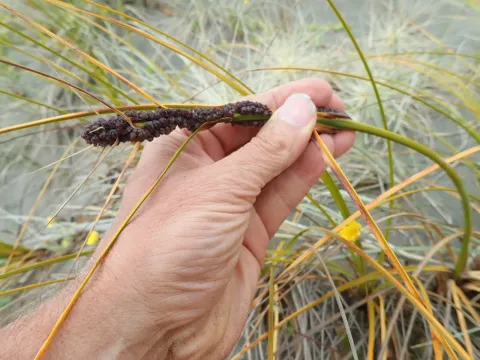
Scirpus frondosus
Scirpus frondosus
Scirpus frondosus is a perennial herbaceous plant belonging to the Cyperaceae family. It is a hydrophytic species characterized by a robust growth habit, specifically evolved to thrive in wetland ecosystems, marshes, and periodically flooded agricultural land where water management is a primary challenge.
What the section contains
Scirpus frondosus
Morphologically, the plant features a dense, creeping rhizome system that anchors it firmly in saturated substrates. Its stems are erect, supporting long, narrow leaves that optimize photosynthetic performance in aquatic or riparian environments, contributing to high biomass yields per hectare.
The cultivation requirements focus heavily on soil moisture retention. The ideal substrate is a nutrient-rich peaty or silty soil that maintains consistent moisture levels throughout the growing season. The plant exhibits tolerance to varying degrees of soil acidity, making it versatile for marginal land restoration.
Climate adaptation is a key feature of this species. It is well-suited to temperate zones with sufficient rainfall, showing resilience against early-season cold snaps. Sufficient sunlight exposure is crucial, as the density of the canopy requires significant light for optimal maturation and development.
From an agricultural perspective, the plant is valued for its contribution to soil stabilization, potential for bio-energy production, and its utility in bio-filtration systems designed to treat agricultural runoff, providing a sustainable solution for farm water management.
The primary pathological threats to the crop include various fungal infections, such as root rot and leaf blight, which are exacerbated by excessive humidity and poor air circulation within the stand. Preventive management often requires monitoring moisture levels to avoid anaerobic conditions.
Insect pests include specialized herbivores that feed on the foliage, as well as stem-boring insects that can undermine the structural integrity of the plant. Wildlife damage, particularly from aquatic rodents, can also impact the density and yield of the cultivation plot if left unmanaged.