
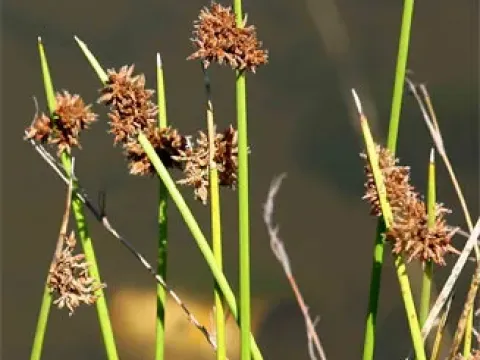
Scirpus confusus
Scirpus confusus
Scirpus confusus is a perennial herbaceous plant belonging to the Cyperaceae family. It is a specialized wetland species that thrives in water-saturated environments, such as wetlands, marshes, and riverbanks, playing a vital role in local hydro-ecosystems.
What the section contains
Scirpus confusus
Botanically, the plant features robust rhizomes that facilitate clonal growth and vertical stems that rise from the base. The inflorescences appear as terminal spikes, which are typical for this genus and are adapted for wind-driven seed dispersal during the late reproductive phase.
Regarding climatic requirements, the species prefers temperate to warm environments with high humidity levels. It is highly resistant to waterlogging, making it suitable for areas where other agricultural crops would suffer from root hypoxia or flooding.
Soil requirements are centered around high organic content, such as peat or heavy silt soils. The plant excels in substrates with low to neutral pH levels and requires a steady supply of nitrogen and phosphorus from the water to maintain vigorous development.
Cultivation practices involve maintaining stable water levels to prevent soil dehydration. The primary uses include phytoremediation of polluted water bodies, soil erosion control on riverbanks, and potential biomass production for industrial applications.
The main threats to Scirpus confusus include fungal pathogens such as rusts and various blights that thrive in stagnant water conditions where air circulation is restricted around the leaf blades.
Insect pests, including various species of stem-boring moths, represent a significant challenge as they burrow into the stalks, weakening the structural integrity of the plant and reducing overall yield.
Nutrient imbalances or excessive accumulation of heavy metals in the soil can stress the plant, making it more susceptible to secondary viral or bacterial infections that manifest as leaf discoloration.
Competition from invasive aquatic weeds often occurs during the establishment phase, which necessitates manual or mechanical thinning to ensure the stand remains pure and healthy for harvesting.
Integrated pest management strategies focusing on biological control are preferred, as chemical interventions can negatively impact the delicate aquatic balance of the ecosystem where the plant is grown.