
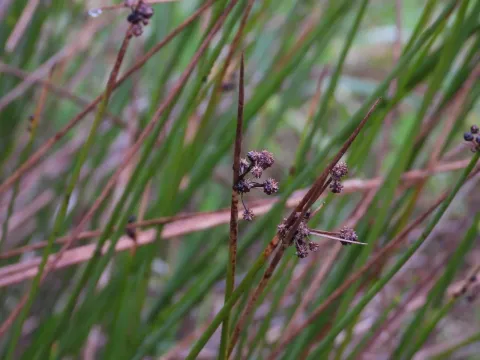
Scirpoides
Scirpoides
Scirpoides is a genus of perennial herbaceous plants belonging to the Cyperaceae family. These plants are well-known for their adaptation to wetland environments, thriving in habitats where water availability is high and constant throughout the year.
What the section contains

Scirpoides
The native range of Scirpoides extends across various regions of Eurasia and the Mediterranean. The plants typically inhabit riverbanks, marshlands, and pond margins, requiring specific soil conditions that are rich in organic matter and capable of retaining moisture.
Light requirements for Scirpoides are significant, as these plants prefer full sun exposure to maintain their structural integrity and vigorous growth. Insufficient light can negatively impact their development and lead to poor density of the foliage.
Soil quality should facilitate water movement, preventing stagnation that could lead to root decay. Despite their moisture-loving nature, these plants perform best when there is a slight water flow or exchange to ensure oxygenation of the root zone.
Agronomic management involves selecting appropriate planting sites that mimic their natural aquatic or semi-aquatic conditions. Properly established, these plants serve as robust elements for bio-filtration and structural reinforcement of soft aquatic banks.
Common threats to Scirpoides include fungal infections triggered by stagnant water and lack of ventilation. Overcrowding can lead to the spread of leaf spot diseases, which compromise the plant's health and reduce its visual quality.
Pests such as aphids and specialized stem-borers are known to affect these plants. These insects can cause significant structural damage to the stems and interfere with the normal development of the inflorescences during the active growing season.
Environmental stress, particularly prolonged droughts or excessive nutrient runoff in water, can make the plants more susceptible to secondary infections. Maintaining a stable environment is essential for disease prevention.
Cultural control measures, such as removing dead biomass in the autumn, are highly effective in reducing overwintering populations of pathogens and insect pests that thrive on decaying matter.
For large-scale cultivation or landscape installations, monitoring the water quality and density of planting is essential to prevent rapid spread of disease. Integrated pest management strategies are recommended to ensure long-term sustainability.