
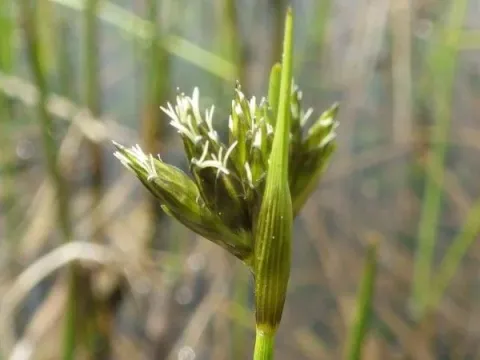
Scirpus biconcavus
Scirpus biconcavus
Scirpus biconcavus is a perennial herbaceous plant belonging to the Cyperaceae family. In an agronomic context, this species is considered a specialized hydrophytic crop adapted to high-moisture environments.
What the section contains
Scirpus biconcavus
The plant possesses a unique stem anatomy that justifies its name, with a biconcave cross-section. Its well-developed, nodular root system contributes to the stabilization of shorelines and the efficient absorption of nutrients from sediment.
The crop thrives in waterlogged soils, marshy lowlands, and shallow water bodies. The optimal pH level lies in the slightly acidic to neutral range, which is characteristic of typical wetland habitats where this species forms dense thickets.
Successful cultivation requires high light intensity and minimal fluctuations in water levels during the active growing season. The plant shows high resistance to cold temperatures during winter, remaining dormant under a layer of water or snow.
Agricultural and economic uses of the species include phytoremediation of polluted water bodies, the production of raw materials for eco-friendly weaving crafts, and the establishment of protective vegetation to prevent coastal erosion in farming areas.
Diseases of Scirpus biconcavus are not widely documented, but like most sedges, it is susceptible to fungal infections such as rust and various leaf spot diseases under conditions of stagnant air and excessive humidity.
The primary pests include insects that feed on the stem epidermis, as well as leaf-mining fly larvae that can damage internal plant tissues, thereby reducing its technical quality as a raw material.
Under intensive cultivation conditions, rodents such as muskrats can cause significant damage to the stands, as they utilize bulrush stems for food and shelter construction, thus disrupting the plantation's integrity.
Another risk factor is competition from aggressive invasive aquatic species, which, in the absence of proper agricultural management, can displace the crop and suppress its growth in the early stages post-planting.
Protective measures include maintaining optimal planting density, periodic mowing of old vegetation to prevent the accumulation of pathogens, and monitoring water quality to ensure it is free from excessive chemical run-off.