
Schoenus
Schoenus
Schoenus is a large genus of perennial herbaceous plants belonging to the Cyperaceae family. It comprises nearly 100 species, with the highest concentration of diversity found in Australia, South Africa, and parts of the Northern Hemisphere.
What the section contains


Schoenus
These plants are typically found in moist to wet habitats, including marshes, bogs, and nutrient-poor sandy soils. They possess unique physiological adaptations that allow them to thrive in environments with limited phosphorus availability, reflecting their evolutionary success.
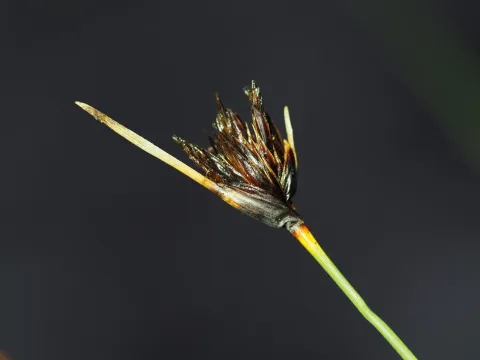
Botanically, Schoenus plants are recognized by their often rigid, narrow leaves and terminal inflorescences composed of small spikelets. The stems are typically solid and triangular, a common characteristic within the sedge family, providing structural integrity in windy conditions.
In terms of cultivation, Schoenus requires consistently damp soil conditions and high light exposure to maintain healthy growth. They are rarely used in traditional intensive agriculture but are increasingly popular in specialized landscaping for rain gardens and restoration projects.
Proper maintenance involves monitoring soil moisture and preventing competition from invasive aggressive grasses. While they are not considered a major crop, their role in maintaining biodiversity in wetland ecosystems remains highly significant for regional conservation efforts.
The primary threats to Schoenus populations in cultivated settings are fungal infections, such as leaf spot diseases, typically triggered by poor air circulation and excessive humidity. Preventing these issues involves spacing plants appropriately to allow for adequate ventilation.
Pest pressure is generally low, but root-feeding nematodes can become problematic in established container cultures or poor-quality substrates. Integrated pest management, focusing on soil health and the use of sterile growing media, is the best strategy for control.