
Fuirena pumila
Fuirena pumila
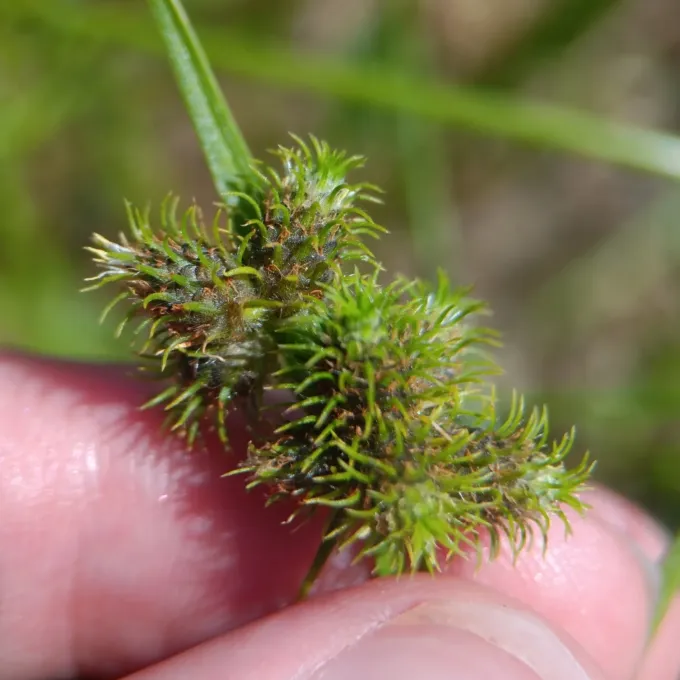
Description
Growing requirements
Fuirena pumila is a distinct species within the Cyperaceae family, commonly recognized for its adaptation to wetland environments. As a specialized agricultural crop, it serves as an excellent candidate for the utilization of marginal, waterlogged lands that are unsuitable for traditional crops.
The plant originates from the North American continent, typically found in marshes, wet meadows, and sandy shorelines. Its natural habitat dictates the core requirements for its successful cultivation in an agricultural setting, emphasizing the need for consistent moisture.
The primary agronomic requirement for Fuirena pumila is soil saturation. Unlike conventional terrestrial crops, this plant thrives when its root system is fully submerged or kept in a constantly moist, anaerobic or semi-anaerobic soil condition throughout the growing season.
Regarding soil composition, the species demonstrates a high degree of resilience. It is capable of flourishing in poor, acidic, or sandy soils. However, incorporating balanced organic matter during the initial planting stages can significantly improve the total biomass yield.
Temperature and light are critical environmental variables. The plant requires a high-sunlight exposure to optimize its metabolic processes. It is best suited for climates with warm summers, where the combination of humidity and solar energy triggers vigorous vegetative growth.