
Giant bulrush
Scirpus giganteus
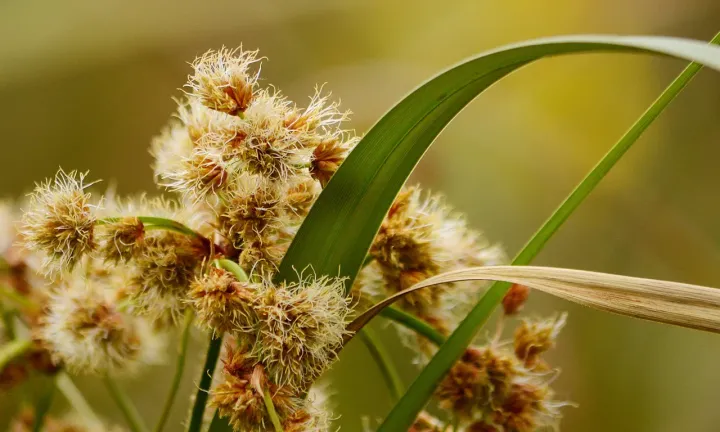
Description
Growing requirements
Giant bulrush (Scirpus giganteus) is a perennial herbaceous plant belonging to the Cyperaceae family. It is a robust hydrophyte capable of forming dense thickets in waterlogged areas, making it a promising crop for the restoration and reclamation of wetland ecosystems.
Successful growth requires specific environmental conditions, primarily an optimal groundwater level or a constant supply of flowing water. The plant thrives in well-lit areas, as shade significantly reduces biomass production and hinders the development of its stems.
Soil requirements involve the presence of nutrient-rich silt or peat-based substrates. Giant bulrush exhibits high tolerance to soil acidity, allowing it to be cultivated effectively in regions where traditional agricultural crops often fail due to extreme pH conditions.
While the native range of the species covers tropical and subtropical zones, it possesses notable adaptability to temperature fluctuations. In temperate latitudes, with proper selection of varieties, the crop can demonstrate stable vegetative growth throughout the season.
Cultivation techniques focus on monitoring water levels and plant density. Achieving high-quality fiber or biomass yields requires maintaining an appropriate planting density, which prevents thinning and promotes the formation of uniform, tall stems.
Yield
The industrial use of giant bulrush is primarily focused on extracting fiber for the textile industry and the production of high-quality paper. Its stems possess excellent strength and flexibility, which are highly valued in the manufacture of sustainable packaging materials.
There is growing interest in giant bulrush as a source of renewable bioenergy. The high rate of biomass accumulation under optimal conditions allows for significant raw material yields per hectare within a single growing season.
Beyond industrial applications, the plant plays a crucial role in phytoremediation. It actively absorbs excess nutrients from water and sediments, aiding in the purification of wastewater and restoring ecological balance in local aquatic habitats.
The crop also finds use in the construction industry, particularly for manufacturing eco-friendly roofing materials. Bulrush stems offer excellent thermal insulation properties, making them a sought-after resource in the green building sector.
Furthermore, the forage value of the plant at early growth stages should be noted. Young shoots can be utilized as a supplement in livestock feed after appropriate processing to improve digestibility and nutrient intake.
Main diseases and pests
The primary biological threats to plantations are fungal diseases that thrive in conditions of stagnant water and poor ventilation. Infections like rust or powdery mildew can significantly diminish stem quality, rendering the harvest unsuitable for industrial processing.
Insect pests that target stems and rhizomes pose the greatest danger. Regular monitoring of plantation health enables timely preventive measures, which are essential to limit the spread of outbreaks and maintain crop integrity.
Competition from invasive aquatic plant species is another critical factor. Without proper density management, aggressive weeds can suppress bulrush growth, leading to a substantial decrease in overall field productivity.
Anthropogenic pollution, specifically the accumulation of heavy metals in aquatic sources, can lead to the absorption of toxins into plant tissues. This potential contamination restricts the use of the harvested crop in food or feed industries.
Implementing crop rotation or periodically rejuvenating older plantations is necessary to maintain long-term phytosanitary health. When agronomic standards are strictly followed, the risk of mass crop failure remains effectively managed.