
Fuirena stricta
Fuirena stricta
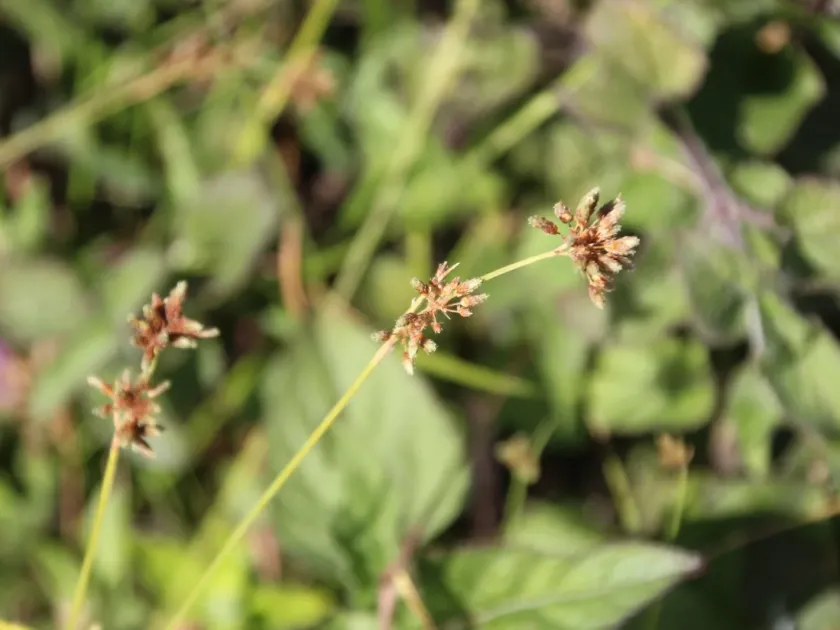
Description
Growing requirements
Fuirena stricta is a perennial herbaceous plant belonging to the Cyperaceae family. This species is widely recognized for its adaptation to wetland ecosystems, where it functions as a critical component of the natural vegetation in tropical and subtropical climates.
The native range of this plant is primarily concentrated across parts of Africa. It typically inhabits areas with high moisture levels, such as floodplains, marshy meadows, and the margins of water bodies, where it can withstand periodic inundation.
Botanically, Fuirena stricta features upright stems and slender leaves. Its root system is highly evolved to anchor the plant in saturated soils, allowing it to maintain stability during seasonal water level fluctuations characteristic of its natural habitat.
The plant thrives in fertile soils that retain consistent moisture. It shows a preference for alluvial substrates with neutral to slightly acidic pH levels, where organic matter is abundant and supports vigorous plant growth.
Climatic requirements are focused on warm temperatures and high humidity. Fuirena stricta is sensitive to extended drought conditions, making it an indicator species for sites where water availability is predictable and abundant throughout the growing season.
Yield
In terms of agricultural utility, Fuirena stricta is primarily utilized as a forage resource for livestock grazing. It serves as a natural food source in pastoral systems located in wet lowland areas where other crops might struggle to survive.
Yield performance is highly dependent on the water regime. During periods of sufficient precipitation, the plant exhibits rapid regrowth after grazing, providing a continuous supply of biomass that is beneficial for cattle and small ruminants.
The nutritional profile of the plant is optimal during its vegetative growth phase. However, as the plant matures and begins to flower, the fiber content increases, which can reduce the digestibility of the forage for livestock.
Beyond its value as fodder, the plant provides significant ecological benefits. Its extensive root network makes it an effective tool for soil stabilization, helping to prevent erosion along riverbanks and in areas prone to seasonal flooding.
Currently, the management of this crop involves sustainable grazing practices. Maintaining the right balance of stock density ensures that Fuirena stricta remains a productive component of the pasture without leading to overgrazing or soil compaction.