
Umbrella grass
Fuirena umbellata
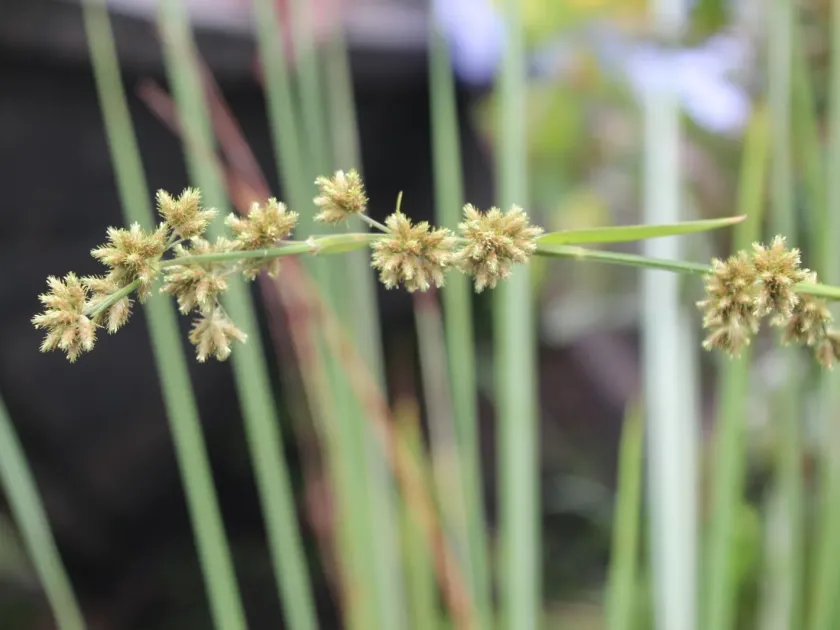
Description
Growing requirements
Fuirena umbellata, commonly known as umbrella grass, is a perennial herbaceous plant belonging to the Cyperaceae family. It is widely distributed across tropical and subtropical regions of Africa, Asia, and the Americas.
This species is highly adapted to wetland habitats and thrives in areas with consistent soil saturation. It is frequently observed along marshes, swamps, and riverbanks where high moisture levels inhibit many other crop types.
Botanically, it features a distinctive umbrella-like inflorescence and robust rhizomes that facilitate survival in waterlogged sediments. These underground structures allow the plant to colonize and stabilize unstable soil environments effectively.
The plant requires high solar radiation and warm temperatures throughout the year for optimal development. Soil pH preferences lean toward acidic or neutral ranges, provided there is an abundance of organic matter to support intensive growth.
In terms of agricultural significance, Fuirena umbellata serves as a bio-filter and soil stabilizer. It is increasingly integrated into sustainable agricultural systems aiming to restore wetland productivity and manage excess runoff.
Main diseases and pests
Like many sedges, umbrella grass is susceptible to fungal pathogens when stagnant water conditions are combined with high humidity. Fungal rusts are among the primary threats that can reduce the overall health of the foliage.
Pest pressure is mainly attributed to various stem-boring larvae that burrow into the base of the plant. These pests can significantly weaken the stem, leading to lodging and reduced biomass production.
Another major challenge is the competition with invasive aquatic weeds. If left unchecked, these weeds can outcompete Fuirena umbellata for nutrients, leading to a decline in the population density of the primary crop.
Environmental stressors, such as sudden shifts in water level or severe temperature fluctuations, can impact plant vigor. Maintaining stable hydrological conditions is the best defense against abiotic and biotic threats.
Integrated pest management, including regular crop scouting and the removal of severely infected plant debris, is recommended to maintain the productivity of these wetland stands.