
Fuirena breviseta
Fuirena breviseta
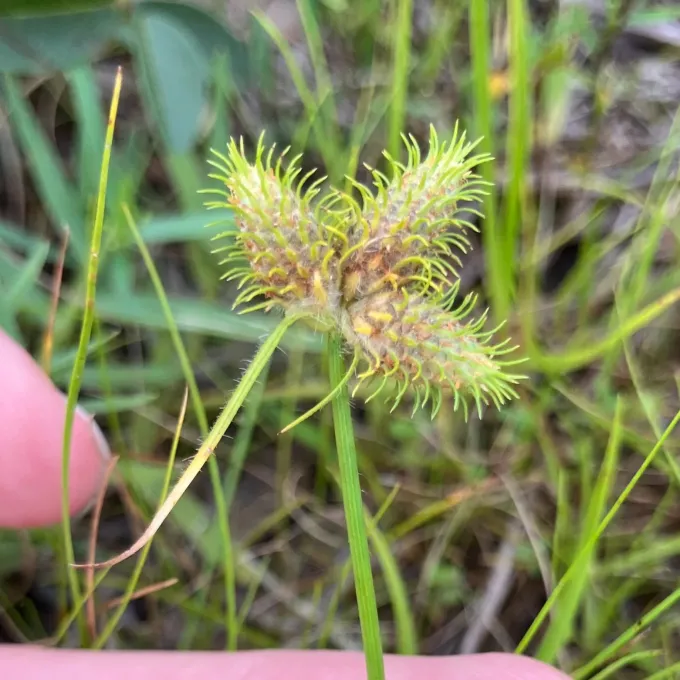
Description
Growing requirements
Fuirena breviseta is a perennial herbaceous plant belonging to the Cyperaceae family. It is naturally found in wetland habitats, riparian zones, and marshy environments, reflecting its high tolerance for saturated soil conditions.
This crop thrives in warm environments with high moisture availability throughout the growing season. It prefers soils that are rich in organic matter, typically performing best in neutral to slightly acidic soil conditions.
Botanically, the plant is adapted to hydric conditions through specialized internal tissues that facilitate oxygen transport to the roots. Proper field management requires consistent water level control to prevent root asphyxiation or drought stress.
In terms of agricultural and ecological application, the plant is valued for its potential in phytoremediation and wetland restoration. It serves as an effective biological agent for stabilizing shorelines against erosion.
The ecological significance of this species extends to maintaining biodiversity in marshy terrains. Cultivation efforts are primarily focused on sustainable land use and environmental mitigation projects.
Main diseases and pests
Fuirena breviseta shows a general resistance to many pathogens, yet improper water management, particularly stagnant conditions, may trigger fungal infections. Maintaining proper hydrological flow is the most effective preventative measure.
Pest management focuses on specific insects that target Cyperaceae species. Given the sensitive nature of its habitat, biological control methods are preferred over chemical pesticides to minimize environmental impact.
Competition from invasive plant species is a major threat during the early establishment phase. Effective weed management ensures the crop can successfully dominate the area and reach its physiological potential.
Soil degradation and industrial contamination can compromise plant health and survival rates. Routine monitoring of soil and water parameters is essential for detecting early signs of environmental stress.
Sanitation practices, such as clearing debris from the site, help reduce the incidence of disease. By removing potentially infected plant matter, growers can maintain a healthy and productive environment for the crop.