
Fuirena squarrosa
Fuirena squarrosa
Description
Growing requirements
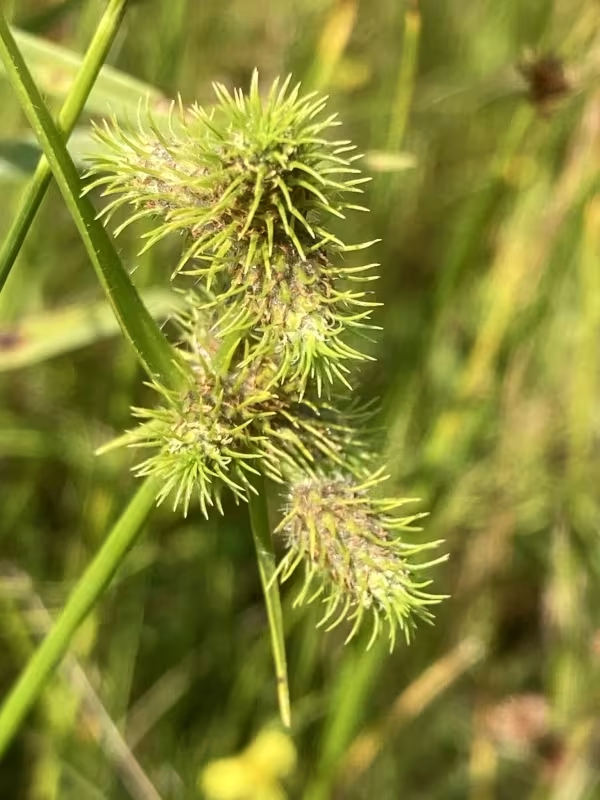
Fuirena squarrosa, commonly known as a type of umbrella sedge, is a herbaceous perennial belonging to the Cyperaceae family. It is distinguished by its unique, bristly-looking spikelets and its adaptation to moist, sandy habitats typical of wetlands and coastal ecosystems.
Originating from North America, this species thrives in environments with high water tables, such as marshes, pond edges, and wet sandy depressions. Its botanical structure is highly specialized for gas exchange in saturated soils, allowing it to survive where other plants fail.
To cultivate Fuirena squarrosa successfully, one must replicate its natural hydrologic requirements. The soil should be consistently moist and acidic, preferably sandy or organic-rich. Light exposure is critical, as the species requires full sun to maintain vigorous growth and reproductive health.
Agrotechnical management involves maintaining a stable water level. While it tolerates periodic flooding, the root system must be protected from prolonged stagnant anaerobic conditions which could lead to rot. Monitoring soil mineral content is also essential for maximizing yield.
Propagation is typically achieved through rhizome division or seed dispersal. Establishing the crop requires careful planning of the site’s hydrology to ensure that the water cycle remains consistent throughout the spring and summer germination phases.
Yield
The biomass yield of Fuirena squarrosa is significant during the peak growing season, provided that nutrient availability in the substrate is sufficient. It is highly efficient at converting sunlight and water into organic matter, making it a valuable plant for wetland restoration.
In terms of agricultural use, this species is less of a traditional food crop and more of an industrial or ecological tool. It serves as an excellent stabilizer for loose, wet soils, preventing erosion along waterway banks and drainage structures.
Sustainable harvesting of the biomass can provide materials for composting or mulching. The density of the stand is the primary driver of yield per hectare, requiring precision in initial planting spacing to avoid overcrowding and nutrient competition.
Data suggests that Fuirena squarrosa contributes to carbon sequestration in wetland environments. Proper site management can enhance this benefit, turning cultivated marshes into productive units for environmental service providers.
- Bio-filtration utility
- Erosion control capacity
- Sustainable biomass generation
Main diseases and pests
The primary threats to Fuirena squarrosa include pathogenic fungi that flourish in humid, low-ventilation environments. These infections often manifest as necrosis on the leaf blades, potentially stunting growth if not managed.
Pest damage by specialized insects can affect both the foliage and the reproductive organs (spikelets). Integrated Pest Management (IPM) strategies, which prioritize biological controls, are recommended over broad-spectrum chemical interventions.
Invasive species often pose a major challenge to the cultivation of this sedge. Without regular maintenance and site weeding, aggressive wetland grasses can quickly outcompete Fuirena, reducing the total yield and health of the crop.
Environmental stressors, particularly prolonged drought conditions, can lead to irreversible damage to the root system. Even though it is a wetland plant, a complete drop in the water table causes the crop to enter a dormant state or die off prematurely.
Proactive monitoring of soil chemistry and plant health is vital. Early identification of stress signs, such as yellowing foliage, allows for timely adjustments in irrigation and fertilization to protect the crop's longevity.