
Fuirena capitata
Fuirena capitata
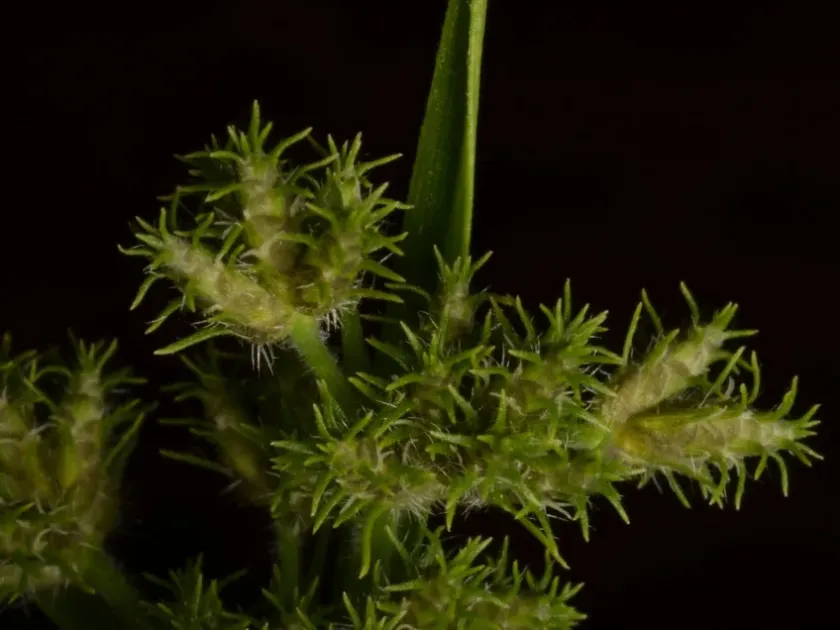
Description
Sowing dates
Fuirena capitata, a member of the Cyperaceae family, is a specialized wetland plant that requires specific ecological conditions for successful seed germination.
In agricultural settings, seeds are typically sown in saturated soils or muddy substrates that mimic the natural hydrological environment of the species.
The optimal time for sowing is during the late spring season, ensuring that soil and water temperatures remain consistently above 20 degrees Celsius.
Seeds should be distributed on the surface or buried at a very shallow depth, as they require significant light exposure to break dormancy and stimulate growth.
Post-germination management must focus on maintaining constant water levels to prevent the desiccation of the delicate seedlings during their early developmental stages.
Growing requirements
This crop thrives in aquatic and semi-aquatic habitats, such as marshlands, riverbanks, and shallow water bodies with constant water supply.
It prefers silty, nutrient-rich soils that provide a steady supply of nitrogen and phosphorus, essential for supporting rapid vegetative development.
Fuirena capitata requires full sun exposure; shade from taller vegetation can significantly suppress growth and reduce the overall biomass production.
The plant is highly sensitive to frost, which limits its cultivation range to tropical and subtropical climates where temperatures remain above freezing year-round.
Hydrological stability is crucial; prolonged periods of dry conditions will lead to wilting and the eventual death of the plant population.
Yield
The primary agricultural value of Fuirena capitata lies in its utilization as a forage source for livestock grazing in flooded grassland ecosystems.
When managed properly, the crop can produce high yields of biomass, which is harvested as green fodder before the onset of flowering and seed set.
Productivity is closely linked to water quality and nutrient availability; optimal conditions can lead to multiple successful harvests within a single season.
Beyond forage, the plant is increasingly recognized for its role in wastewater treatment systems due to its natural ability to filter excess minerals.
Sustainable harvesting practices involve manual or mechanized cutting that ensures the survival of the rhizome system for regrowth in subsequent cycles.
Main diseases and pests
Fungal pathogens represent the most significant threat to Fuirena capitata, particularly under conditions of poor air circulation and stagnant, warm water.
Various insect pests can target the stems and leaves, causing structural damage that reduces the photosynthetic capacity and overall vigor of the plants.
Interspecific competition from invasive wetland species often poses a risk, as aggressive weeds can easily displace Fuirena if the site is not monitored.
Rapid fluctuations in water pH or the accumulation of heavy metals in the substrate can lead to physiological stress and reduced growth performance.
Poor harvesting techniques that inflict mechanical injury on the plant crowns may predispose the crop to secondary infections and localized tissue necrosis.