
Rare-flowered sedge
Carex rariflora
Carex rariflora, known as the rare-flowered sedge, is a perennial herbaceous plant in the Cyperaceae family. It is predominantly found in arctic and subarctic regions of the Northern Hemisphere, often thriving in extreme environmental conditions that would be unsuitable for most cultivated species.
What the section contains
Rare-flowered sedge
The plant grows from thin, creeping rhizomes, allowing it to spread and form loose, patchy clusters. The stems are slender and glabrous, usually standing between 10 and 30 centimeters tall, which helps the plant resist the harsh, cold winds typical of its natural range.
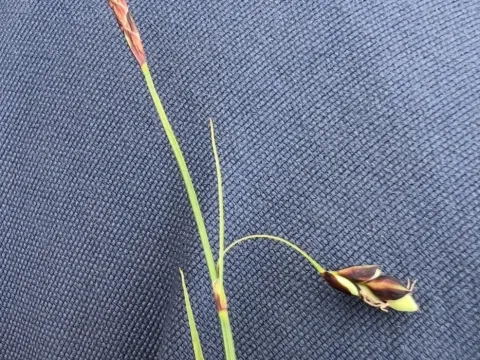
Botanical identification is based on the inflorescence, which consists of a single terminal male spike and several nodding, female spikes attached to long, delicate peduncles. The leaves are narrow and often rolled, an evolutionary trait that minimizes water loss and protects the plant against freezing.
The rare-flowered sedge requires extremely moist, often saturated soil conditions to thrive. It is commonly found in acid bogs, wet tundra, and along the edges of brooks where consistent moisture from snowmelt is guaranteed throughout the short growing season.
While not a mainstream agricultural crop, this species is vital for arctic pasture ecosystems. Its nutritional value makes it a preferred grazing plant for reindeer during the summer, serving as an important natural resource for indigenous herding communities across the circumpolar north.
The primary threats to this species include drainage of boggy lands for infrastructure development and warming trends that alter wetland hydrology. As a wild species, it is not subject to standard agricultural pests, though excessive trampling by herbivores or machinery can destroy its fragile root system and lead to the degradation of the vegetation cover.