
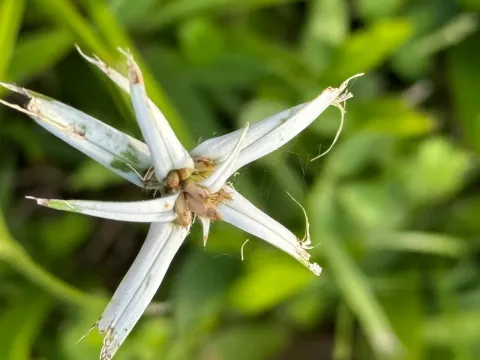
Rhynchospora
Rhynchospora Vahl
Sowing Rhynchospora seeds is typically performed in early spring once the soil temperature is sufficient to trigger germination processes.
What the section contains

Rhynchospora
Seeds often require a period of cold stratification to overcome physiological dormancy, which is common in many species of the sedge family.
The seeds should be sown on the surface or lightly pressed into the substrate, as they are light-dependent and require exposure to emerge effectively.
Using a high-quality peat-based mix ensures the necessary moisture retention and acidic pH level required for healthy seedling development.
Vegetative propagation via root division is an alternative method, allowing for faster establishment of plant clusters in controlled garden or nursery conditions.
Rhynchospora belongs to the Cyperaceae family and is recognized for its preference for wetland habitats, thriving in consistently saturated environments.
The plant requires high water availability throughout the entire growing season; maintaining high soil moisture levels is essential for optimal growth.
Full sun exposure is a primary requirement for the plant to achieve its potential, as shade can cause etiolation and reduce the plant's overall vigor.
The soil should ideally be acidic and rich in organic matter, mimicking the natural acidic bog or marsh conditions where these plants are typically found.
Agricultural management of Rhynchospora is focused on maintaining stable hydrological conditions, avoiding extremes of dryness that can lead to plant mortality.
The primary threats to Rhynchospora populations in cultivation are fungal diseases, often encouraged by high humidity and stagnant air conditions.
Improper hydrological management remains the most significant environmental stressor, often leading to susceptibility to various root pathogens.
Pest pressure is relatively low, but localized infestations of aphids or spider mites can occur in greenhouses or environments with high fertilizer input.
Competition from aggressive weed species can severely stunt Rhynchospora growth, necessitating early and frequent weeding during the establishment phase.
Monitoring the foliage for discoloration or spot-like lesions is advised to facilitate early detection of pathogens before they spread throughout the crop.