
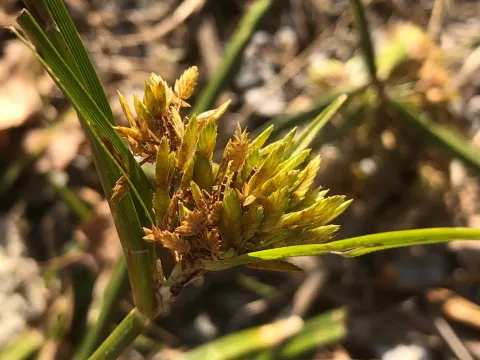
Pycreus
Pycreus
Pycreus is a genus of herbaceous plants belonging to the Cyperaceae family, often referred to as a sedge. While taxonomically grouped with the Cyperus genus in many modern botanical treatments, Pycreus remains a distinct entity for agronomists focusing on wetland vegetation and aquatic land management.
What the section contains
 Pycreus flavidus
Pycreus hildebrandtii
Pycreus hildebrandtii
Pycreus flavidus
Pycreus flavidus
Pycreus hildebrandtii
Pycreus hildebrandtii
 Pycreus intermedius
Pycreus intermedius
Pycreus intermedius
 Pycreus lanceolatus
Pycreus mortonii
Pycreus mortonii
Pycreus lanceolatus
Pycreus lanceolatus
Pycreus mortonii
Pycreus mortonii
 Pycreus mundtii
Pycreus pelophilus
Pycreus pelophilus
Pycreus mundtii
Pycreus mundtii
Pycreus pelophilus
Pycreus pelophilus
 Pycreus polystachyos
Pycreus pseudodiaphanus
Pycreus pseudodiaphanus
Pycreus polystachyos
Pycreus polystachyos
Pycreus pseudodiaphanus
Pycreus pseudodiaphanus
 Pycreus pumilus
Pycreus puncticulatus
Pycreus puncticulatus
Pycreus rehmannianus
Pycreus rehmannianus
Pycreus pumilus
Pycreus pumilus
Pycreus puncticulatus
Pycreus puncticulatus
Pycreus rehmannianus
Pycreus rehmannianus
 Pycreus tremulus
Straw-colored flatsedge
Pycreus stramineus
Yellow flatsedge
Pycreus flavescens
Pycreus tremulus
Pycreus tremulus
Straw-colored flatsedge
Pycreus stramineus
Yellow flatsedge
Pycreus flavescens
Pycreus
The plant originates primarily from tropical and subtropical regions across the globe. Its natural habitat includes wetlands, riverbanks, marshes, and periodically flooded meadows, which dictates the specific environmental conditions necessary for its successful growth in an agricultural or managed landscape setting.
Botanically, Pycreus is characterized by its triangular stems and narrow, grass-like leaves. The root system is typically fibrous or rhizomatous, which provides the plant with the structural capacity to thrive in unstable, waterlogged soils where other terrestrial crops would struggle to survive due to root asphyxiation.
Successful cultivation of Pycreus requires sites with high water retention capacity, such as clay or silt-heavy soils. The plant is highly sensitive to drought; therefore, irrigation management or site selection near a consistent water source is mandatory to ensure the biomass yield remains at an acceptable level.
Economically, Pycreus is valued for its versatility in ecological engineering. It is frequently utilized for erosion control along water bodies, as a botanical filter for wastewater treatment systems, and in some regions, it is harvested as a supplementary source of low-grade forage for livestock during dry seasons.
The primary diseases affecting Pycreus include various fungal infections, most notably leaf spots and rusts. These pathogens thrive in the humid, stagnant-air conditions common to the marshy environments where the plant grows, requiring careful management of plant density to promote sufficient airflow.
Pests that pose a threat to Pycreus include specialized insects such as stem-boring larvae and various leaf-mining beetles. These organisms can severely damage the foliage, leading to a reduction in photosynthesis and subsequent loss of vigor, which can hinder the plant's ability to compete with invasive weed species.