


Reference · Crops
Pumpkin
Cucurbita L.
Pumpkins (Cucurbita L.) are members of the Cucurbitaceae family and require warm soil conditions. Sowing should only occur once the risk of frost has passed and soil temperatures have reached at least 13°C.
6
items
What the section contains
Marketplace
Products in this section · 12


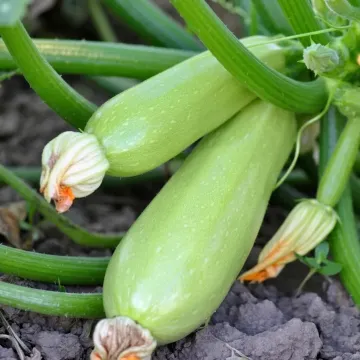
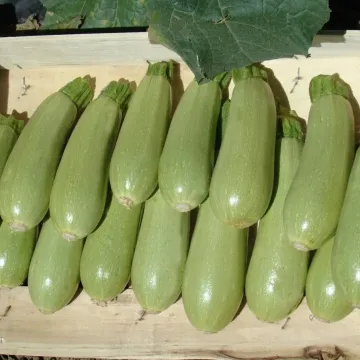
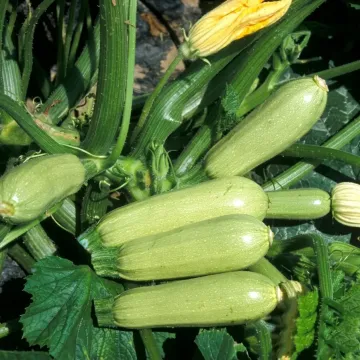
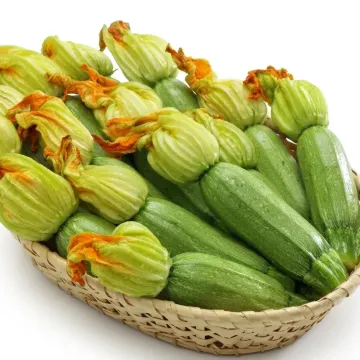

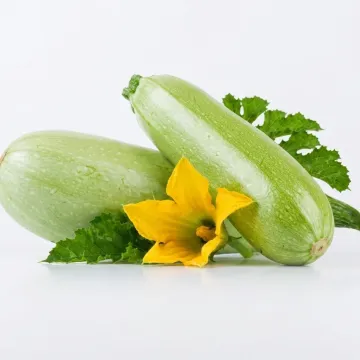
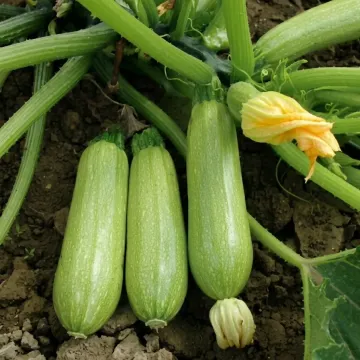
Pumpkin
Direct seeding in the field is common, but in regions with shorter growing seasons, starting plants indoors in biodegradable pots 3–4 weeks before the last frost is highly recommended.
When transplanting, it is crucial to handle the root system with extreme care, as pumpkins are sensitive to root disturbance and may suffer from transplant shock.
Spacing requirements vary depending on the variety; trailing vines require significant area, often 2–3 meters between rows, whereas bush-type varieties can be planted closer together.
Consistency in sowing depth, typically 3–5 cm, ensures uniform germination, provided the soil remains moist but not saturated during the initial phase.
Pumpkins thrive in full sun and require at least 6–8 hours of direct sunlight daily to produce high-quality, mature fruit consistently throughout the season.
The soil must be well-draining, fertile, and rich in organic matter. A pH level between 6.0 and 7.0 is ideal for optimal nutrient uptake and robust vegetative growth.
Water management is critical during the flowering and fruit-setting stages. Inconsistent irrigation can lead to blossom end rot or the premature abortion of developing fruits.
Fertilization with a balanced NPK ratio is beneficial in the early growth stages, while transitioning to higher potassium levels during fruit development promotes size and storage quality.
Proper airflow between plants is essential to reduce humidity levels, which helps minimize the risk of foliar diseases during the dense growth phase of the summer.
Yield potential is largely dictated by cultivar selection and management. With high-intensity farming, pumpkin yields can range from 30 to over 50 metric tons per hectare.
Pruning lateral vines can redirect the plant's energy toward fruit development, resulting in larger, more uniform pumpkins rather than a high quantity of undersized fruits.
Effective weed control is a primary factor in yield maximization; weeds compete aggressively for nitrogen and water, significantly stunting the pumpkin's progress.
Pollination success is a major determinant of yield. The presence of honeybees and native pollinators is vital, and excessive pesticide use during bloom must be avoided to protect them.
Choosing hybrids that are specifically bred for specific market segments — such as pie pumpkins, jack-o'-lanterns, or large competition-style fruit — is necessary for success.
Powdery mildew is a persistent fungal challenge, characterized by white spots on leaves that can weaken the plant and reduce the fruit's sugar content significantly.
Cucurbit beetles, aphids, and squash vine borers are primary pests that require vigilant monitoring to prevent extensive damage to stems and vines.
Bacterial wilt, transmitted by cucumber beetles, is a devastating disease that causes sudden wilting and collapse of the entire plant, for which there is no effective treatment.
Integrated Pest Management (IPM) is highly recommended, utilizing crop rotation, trap crops, and selective biological controls rather than relying solely on chemical sprays.
- Strict crop rotation schedules
- Installation of drip irrigation to keep foliage dry
- Early detection of pest egg clusters
Harvesting should occur when the pumpkin's rind has hardened, the color has fully developed, and the vine or stem connecting to the fruit has shriveled and turned woody.
It is imperative to complete the harvest before the first hard frost, as freezing temperatures cause cellular damage that destroys the fruit's long-term storage viability.
Always use a sharp tool to cut the stem, leaving at least 5–10 cm of the handle attached; this prevents pathogens from entering the fruit at the point of detachment.
Curing is a critical post-harvest step; keeping pumpkins in a warm, dry, and ventilated area for two weeks helps toughen the skin and heals small surface wounds.
Proper storage involves keeping the fruit in a cool, dark environment with good airflow, ideally at 10–13°C and moderate humidity to prolong shelf life for several months.