
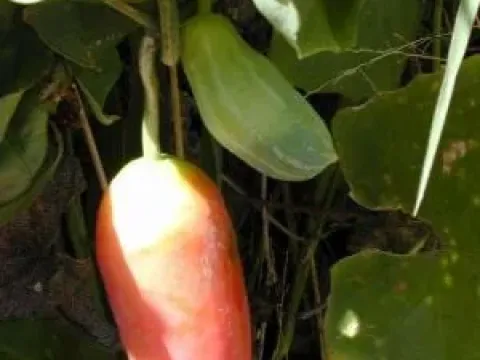
Coccinia microphylla
Coccinia microphylla
Coccinia microphylla is a perennial climbing plant belonging to the Cucurbitaceae family. Native to the arid landscapes of Ethiopia and Somalia, this species has evolved to thrive in harsh environments with limited water availability.
What the section contains
Coccinia microphylla
The plant features succulent-like root structures that allow it to survive prolonged dry spells. In an agricultural setting, it demands well-draining, sandy-loam soils to prevent the accumulation of moisture around the root crown, which is essential for plant health.
Full sun exposure is a primary requirement for the healthy development of Coccinia microphylla. Without adequate light intensity, the plant becomes leggy, and its overall resistance to environmental stress is significantly reduced.
The ideal temperature range for cultivation is between 22°C and 35°C. As a tropical and semi-desert species, it is extremely frost-intolerant and must be kept in controlled climate conditions if the ambient temperature drops significantly.
Proper trellis management is necessary for optimal productivity. Training the vines vertically improves airflow and ensures that all parts of the plant receive adequate light, which is crucial for reducing humidity-related issues.
Spider mites are the most common pests affecting this species, particularly in hot and dry climates. Preventive measures such as misting and maintaining optimal environmental conditions are highly recommended.
Powdery mildew often attacks the foliage during periods of high humidity combined with stagnant air. Increasing ventilation and avoiding overhead irrigation can effectively minimize the risk of this fungal disease.
Root rot, primarily caused by excessive soil moisture, is the most common cause of crop failure. Implementing a strict irrigation schedule that allows the soil to dry out between waterings is essential.
Leaf-eating caterpillars can cause substantial damage to the plant's photosynthetic apparatus. Regular inspection of the undersides of leaves is necessary for early detection and manual removal of larvae.
Good agricultural practices, including crop rotation and the use of sterile growing media, play a vital role in protecting Coccinia microphylla from both soil-borne and foliar pathogens.