
Chinese Snake Gourd
Trichosanthes kirilowii
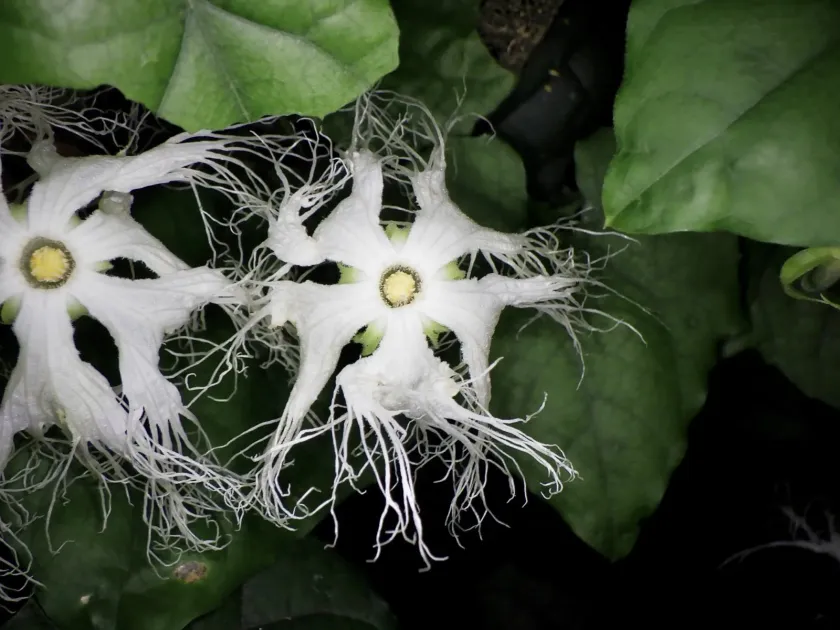
Description
Sowing dates
Trichosanthes kirilowii is a perennial climbing vine belonging to the Cucurbitaceae family. Originating from East Asia, this plant has been traditionally utilized for both its nutritional value and its significant role in herbal medicine.
The planting process usually begins in spring when the soil temperature consistently stays above 15 degrees Celsius. Due to the hard seed coat, it is advisable to scarify or soak the seeds in warm water before sowing to ensure uniform and rapid germination.
In regions with shorter growing seasons, starting the seeds indoors in individual peat pots 4–6 weeks before the last frost date is highly recommended. This practice ensures that seedlings are strong enough to withstand transplantation into the field.
When transplanting, providing adequate spacing of at least one meter between plants is essential to accommodate the vigorous growth of the vines. Vertical supports, such as trellises or fences, are necessary for the plant to thrive and for easier fruit harvesting.
The plant demonstrates a strong preference for sunny locations, which are crucial for maximizing photosynthetic activity and flower development. Proper orientation of the trellis toward the south can significantly improve the growth rate and overall health of the vines.
Growing requirements
Trichosanthes kirilowii thrives in warm climates and requires consistent warmth during the entire growth cycle. Temperatures between 22 and 30 degrees Celsius are considered optimal for the rapid expansion of vegetative biomass.
A well-draining, nutrient-rich, and loose soil structure is imperative for successful cultivation. Clay-heavy soils that retain too much moisture can lead to root rot and other moisture-related pathogens, making soil amendment with organic matter vital.
Adequate water supply is crucial, especially during the flowering and fruit-setting stages. While the plant can tolerate slight moisture fluctuations, sustained drought will lead to flower drop and reduced fruit quality, necessitating a regular irrigation schedule.
Nutrient management involves applying balanced fertilizers during the early growth stage, followed by potassium-rich supplements when the plant enters the flowering phase. This balance ensures strong vine architecture and improved fruit development.
Pruning is a specialized agronomic practice for this crop. Removing excessive lateral shoots helps the plant direct its energy toward fruit production, improves light penetration, and reduces the risk of diseases caused by high humidity around the foliage.
Main diseases and pests
The most common disease affecting this crop is powdery mildew, which appears as white patches on leaves. This condition is often encouraged by poor air circulation, high humidity, and rapid temperature changes during the night.
Pests such as aphids and spider mites are frequent invaders that target the tender parts of the plant. Monitoring the underside of leaves and young shoots regularly allows for early detection and rapid management using organic soaps or horticultural oils.
Root rot caused by various soil-borne pathogens remains a significant threat, especially in waterlogged conditions. Proper irrigation management, combined with the use of raised beds or improved drainage systems, remains the best defensive strategy.
Weed control is essential for preventing the spread of insects and pathogens that often shelter in thick weed populations. Maintaining a clean cultivation area ensures that the plants remain vigorous and less susceptible to external stresses.
In case of severe infestations or disease outbreaks, applying selective bio-fungicides may be necessary. However, it is always best to prioritize integrated pest management techniques, such as proper spacing and cleaning of debris, to maintain crop health.
Harvesting
Harvesting the fruit of Trichosanthes kirilowii typically occurs when the fruits are young and tender. At this stage, they are most prized for culinary uses, as they are versatile ingredients in soups and stir-fried dishes.
For medicinal purposes, the tuberous roots of the plant are the primary target. Harvesting these is usually done when the plant has reached a certain level of maturity, often requiring at least two or three years of growth to develop significant size and potency.
Post-harvest handling is critical for fresh fruits, as they have a relatively short shelf life at ambient temperatures. Immediate refrigeration or processing into dried or frozen products can help preserve their quality for later use.
The medicinal roots must be carefully cleaned, sliced, and dried under controlled temperature conditions to ensure the stabilization of active chemical compounds. This process preserves the integrity and efficacy of the plant for pharmaceutical applications.
Overall, the cultivation of this species offers a unique opportunity for both home gardeners interested in medicinal herbs and farmers looking for niche crops. With proper care and understanding of its life cycle, it can be a highly rewarding horticultural project.