
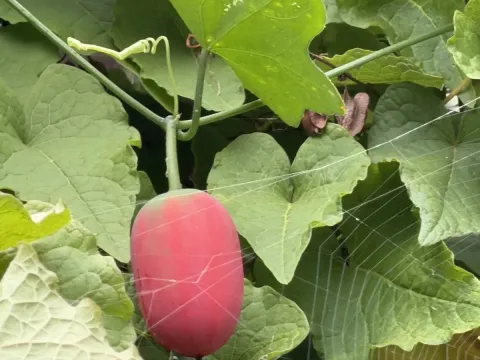
Coccinia
Coccinia
Coccinia is a perennial tropical vine, often grown as an annual in cooler climates. Seeds should be sown in early spring, once the soil temperature consistently stays above 20°C to ensure successful germination.
What the section contains

Coccinia
To speed up the sprouting process, it is recommended to soak the seeds in warm water for several hours before planting. Sow them in pots with well-draining, nutrient-rich soil to establish strong seedlings.
Transplanting into the open field should only occur once the risk of frost has passed. Space the plants about 50–60 cm apart to allow for vigorous growth and adequate airflow between the vines.
Providing a sturdy trellis or netting is essential for this climber. Proper support allows the plant to sprawl efficiently, which improves sunlight exposure and facilitates easier harvesting.
In commercial settings, row planting is preferred to enable mechanical maintenance and easier scouting for pests. Ensure the orientation of rows allows for maximum light interception throughout the day.
As a member of the Cucurbitaceae family, Coccinia thrives in tropical and subtropical regions. The crop requires high light intensity and long daylight hours to produce an abundant harvest.
The plant performs best in fertile, well-draining loam or sandy soils. A soil pH level ranging from 6.0 to 7.0 is ideal for optimal nutrient uptake and overall plant health.
Consistent moisture is key, especially during the flowering and fruit-setting stages. However, gardeners must avoid waterlogging the soil, as this can easily lead to root rot issues.
Optimal temperature for growth ranges between 20°C and 30°C. Development slows down significantly if temperatures drop below 10°C, and the plant is highly sensitive to frost.
Incorporating organic matter before planting is crucial for long-term soil fertility. Supplemental fertilizers rich in phosphorus and potassium will further support robust fruit development.
Yield potential of Coccinia depends heavily on local growing conditions and the presence of pollinators. Given proper care, a healthy vine can yield fruit continuously for several months.
Harvesting is typically done when fruits reach technical maturity. At this stage, they are firm and possess the desired culinary qualities required for vegetable dishes.
Beyond the fruit, the leaves and young shoots of some varieties are edible, adding extra value to the overall biomass produced by each plant during the growing season.
Systematic harvesting of mature fruits encourages the plant to produce new blooms and sets. This practice effectively extends the productive lifespan of the vine in home gardens.
By implementing vertical training on trellises, farmers can significantly increase the marketable yield per hectare, making the crop a viable choice for small-scale sustainable agriculture.
Common pests affecting Coccinia include aphids, whiteflies, and spider mites. Regular monitoring of the foliage, particularly the undersides of leaves, is necessary for early detection and control.
Powdery mildew is a prevalent fungal disease that thrives in high humidity and poor air circulation. Managing plant density and using preventative biological fungicides helps mitigate this risk.
Root rot can occur due to over-irrigation or contaminated potting soil. Practicing crop rotation and using sterile growing media are effective ways to protect the root system.
Viral infections can be transmitted by insect vectors. Keeping the fields free of weeds is vital, as weeds often act as secondary hosts for both pests and viral pathogens.
- Improve airflow through proper pruning.
- Practice regular field sanitation.
- Use certified healthy seeds.
Harvesting Coccinia is a labor-intensive, selective process. Because the fruits do not ripen simultaneously, fields should be checked and harvested every few days.
Use sharp shears to cut the fruit stems to avoid damaging the delicate vines. Carefully handling the fruit prevents bruising and prolongs their shelf life after collection.
Store harvested fruit in a cool, humid environment. Keeping the produce away from direct sunlight is crucial to prevent dehydration and loss of freshness.
When preparing for transport, use ventilated crates. This prevents moisture buildup, which is a major cause of post-harvest decay in tropical cucurbits.
Given its relatively short shelf life, Coccinia is best marketed locally. Rapid movement from the farm to the consumer ensures the highest quality and nutritional value.