
Costus
Costus L.
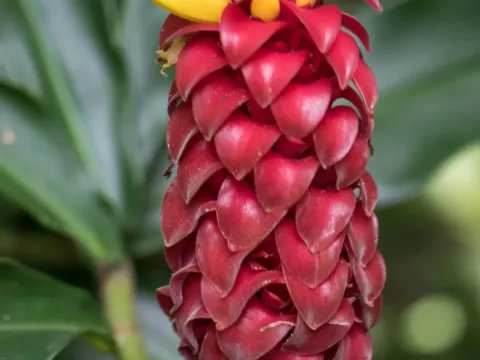
Costus (Costus L.) is a genus of perennial herbaceous plants belonging to the Costaceae family. Often referred to as "spiral ginger," the plant is recognized by its distinctively spiraling stems, which set it apart from other members of the order Zingiberales.
What the section contains


Costus
Native to tropical regions across Central and South America, Africa, and Asia, the plant thrives in hot and humid environments. Agricultural production is primarily centered in greenhouses or specialized tropical facilities where temperature control can be maintained throughout the year.
Successful cultivation requires soil that is rich in organic matter and maintains excellent drainage properties. While the plant loves moisture, waterlogging must be strictly avoided to prevent root damage, as the fleshy rhizomes are susceptible to rot in anaerobic conditions.
Costus prefers bright, indirect light, mimicking the forest floor environment of its natural habitat. Full sun exposure can lead to leaf scorching, while inadequate lighting typically results in poor flowering and stunted stem development during the peak growing season.
Economically, the crop is utilized for both ornamental purposes and its pharmacognostic potential. The rhizomes are harvested for compounds used in traditional herbal medicine and modern pharmaceutical applications, valuing the plant for its distinct phytochemical profile.
The primary threats to Costus health are associated with fungal root infections caused by improper substrate moisture management. Overwatering without adequate drainage creates a fertile environment for soil-borne pathogens that compromise the root system.
Spider mites are the most common pests encountered in greenhouse environments, particularly if the air humidity is not sufficiently high. These pests thrive in dry conditions and can quickly decimate the foliage if left uncontrolled.
Mealybugs and scale insects represent secondary pest risks, often congregating in the leaf axils. Regular scouting is essential to identify infestations before they spread across the entire planting area and necessitate intensive intervention.
Fungal leaf spot diseases can emerge if the canopy becomes too dense and airflow is restricted. Implementing proper spacing between individual plants is a key agronomic practice to promote evaporation and reduce humidity trapped within the foliage.
Maintaining biological balance is crucial in the crop management of Costus. Integrated Pest Management (IPM) strategies, including the use of beneficial predators and appropriate hygiene, are preferred over broad-spectrum chemicals to ensure the purity of the medicinal product.