
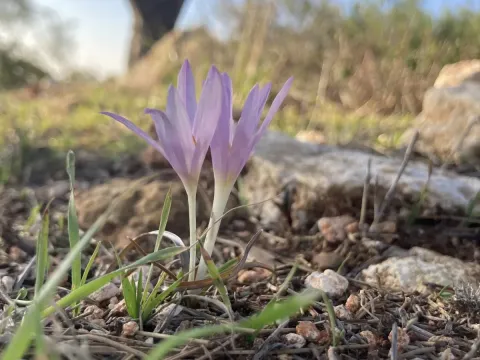
Steven's Colchicum
Colchicum stevenii
Steven's Colchicum (Colchicum stevenii) is a perennial bulbous plant belonging to the Colchicaceae family. It is recognized as a botanical ephemeral, characterized by a unique developmental cycle where flowers emerge in the autumn, while foliage production is strictly confined to the spring season.
What the section contains
Steven's Colchicum
The native habitat includes the rocky slopes and mountainous meadows of the Eastern Mediterranean and the Crimean peninsula. Due to its evolutionary adaptation to harsh environments, the plant is highly resilient but requires specific soil compositions to thrive in a cultivated state.
Success in growing this species depends on providing excellent drainage, as the bulbs are highly susceptible to rot if kept in waterlogged conditions. The ideal soil profile is gritty, slightly alkaline, and low in moisture-retaining organic matter, mimicking its natural mountainous environment.
Regarding climate, the plant requires a distinct dry period during the summer months to ensure the bulb enters dormancy properly. Exposure to full sunlight or light partial shade is recommended to maintain the vigor of the plant and ensure robust flowering cycles.
In terms of agricultural and pharmaceutical utility, the plant is harvested for its high concentration of colchicine, which is widely utilized in medical research and plant breeding. Due to its toxic properties, professional handling and appropriate signage in production fields are mandatory.
The primary threat to the crop is the development of fungal pathogens, such as Botrytis, particularly during humid seasons or in poorly drained sites. Ensuring proper spacing and airflow between individual plants is the most effective cultural method to mitigate these risks.
Gastropods, including slugs and snails, present a significant threat to the vegetative leaves in spring. If left unmanaged, the damage to the foliage reduces the plant's ability to store energy for the next blooming season, leading to gradual decline and stunted growth.