
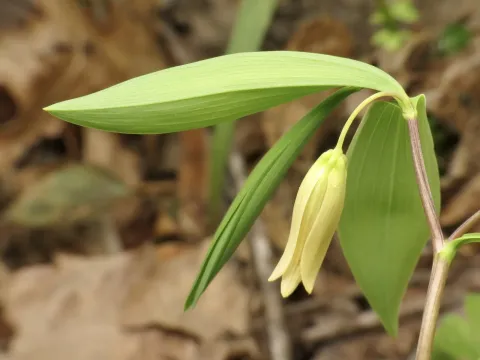
Uvularia sessilifolia
Uvularia sessilifolia
Sowing seeds of Uvularia sessilifolia requires pre-stratification, as the seeds possess a deep dormancy period. The ideal time for outdoor sowing is late autumn, allowing the seeds to undergo natural winter cold stratification in the soil.
What the section contains
Uvularia sessilifolia
For container propagation, seeds should be sown in a mixture of peat and sand and kept at temperatures around 4-5 degrees Celsius for two to three months. Artificial cold treatment significantly improves germination rates in the spring.
Seeds should be planted at a depth of no more than 1 to 1.5 centimeters. It is recommended to mulch the soil surface with a light layer of organic matter to maintain moisture levels, which is crucial for the germination of young shoots.
Seedlings grow slowly during the first two years of life, so they should remain undisturbed until they have developed a robust root system. For an effective decorative carpet, aim for a density of 9 to 12 plants per square meter.
Vegetative propagation by division of rhizomes is the most reliable and fastest method. This should be performed in early spring before active growth begins or in late summer after the flowering cycle has completed.
This species belongs to the Colchicaceae family and is native to woodland habitats, which dictates its specific environmental needs. It thrives in shaded or semi-shaded areas, as direct sunlight can easily scorch its delicate foliage.
The soil must be rich in organic matter, loose in texture, and consistently moist but well-drained. Neutral to slightly acidic loams provide the optimal balance for the development of a healthy and expansive root system.
The plant is highly adapted to temperate climates and demonstrates excellent winter hardiness. It does not require special winter protection in typical temperate garden zones, as it is naturally equipped to survive cold seasons.
High air humidity is beneficial for growth, so planting in areas protected from desiccating winds is highly recommended. During summer dry spells, regular irrigation at the base of the plant is necessary to maintain leaf vigor.
Regular mulching with leaf mold or compost is an essential agronomic practice to simulate the natural forest floor. This keeps the soil acidic and nutrient-rich, supporting the long-term health and vitality of the perennial.
Slugs and snails are the primary pests of Uvularia sessilifolia, particularly during wet weather when they feed on the succulent leaves. Control measures include manual removal or the use of environmentally safe slug baits around the planting site.
In conditions with high humidity and poor air circulation, plants may become susceptible to powdery mildew. Symptoms include a white powdery coating on the leaves, which requires treatment with systemic fungicides to prevent spread.
Root rot is typically caused by waterlogged soil and poor drainage. Prevention focuses on avoiding over-irrigation and ensuring the planting hole allows for excess water to drain away from the root zone quickly.
Aphids may infest developing flower buds, draining nutrients and reducing the plant's aesthetic appeal. Infestations can be treated with insecticidal soaps or soft chemical agents that are safe for the surrounding garden ecosystem.
Sanitation practices, such as removing dead foliage and cleaning debris around the plants, are vital for disease prevention. Maintaining a clean growing area significantly reduces the presence of fungal spores and overwintering pests.