
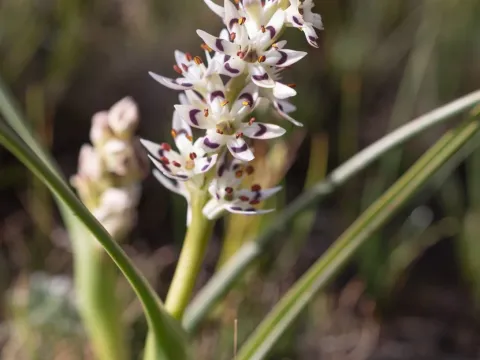
Wurmbea
Wurmbea
Wurmbea is a genus of bulbous plants belonging to the Colchicaceae family. Propagation primarily involves sowing seeds that require a period of stratification to break dormancy, simulating the natural cooling cycles of their native habitats.
What the section contains


Wurmbea
Seeds should be sown in a light, well-draining substrate during late autumn or early winter. It is crucial to maintain a cool, consistent environment for the seeds to germinate successfully and develop a healthy root system.
Vegetative propagation via offsets is the preferred method for maintaining genetic consistency. Bulbs are separated during the dormant phase when the foliage has died back completely, ensuring minimal stress to the parent plant.
Proper sanitation during the sowing process is essential to prevent soil-borne diseases. Using sterilized growing media reduces the risk of fungal infections that often affect young seedlings and developing bulbs.
Once seedlings emerge, they require ample light to prevent stretching. Gradual exposure to sunlight and moderate temperatures ensures robust development, leading to stronger, more resilient bulbs by the end of the season.
Success in cultivating Wurmbea depends on replicating its native Mediterranean-like climate. This includes providing a clear distinction between the moist growing season and the dry dormant period.
The soil must be exceptionally well-draining, with a sandy or gritty texture. Waterlogging is the most common cause of failure, as the bulbs are highly susceptible to rot if left in saturated soil for extended periods.
These plants thrive in full sun and require bright conditions to reach maturity. If grown in containers or greenhouses, adequate ventilation is necessary to keep temperatures stable and avoid excessive humidity.
Temperature management is vital during the growth phase, as Wurmbea prefers cooler conditions. Excessive heat can stress the plants and cause early foliage senescence, which prevents the bulb from storing enough energy.
Minimal fertilization is required, as these plants are adapted to relatively nutrient-poor soils. Over-fertilization, especially with nitrogen, can lead to poor bulb formation and reduced resistance to pests and diseases.
The most significant threats to Wurmbea are fungal pathogens associated with soil moisture. Rotting of the basal plate and scales can occur rapidly if the dormant bulbs are exposed to excess dampness.
Pests such as bulb mites are a persistent threat, particularly in stored bulbs or poorly drained soil. Maintaining a strict sanitation schedule and inspecting bulbs before planting are critical preventative steps.
Insects like aphids or thrips may feed on the tender foliage during the growing season. Early detection and the use of targeted insecticides can effectively manage populations before they cause major physiological damage.
Viral infections can cause stunted growth and foliage discoloration. Infected plants should be promptly culled, and any tools used on them must be sterilized to prevent the spread of the virus to healthy bulbs.
Integrated pest management, including regular monitoring and maintaining optimal environmental conditions, remains the most effective strategy for managing threats in Wurmbea plantations.