
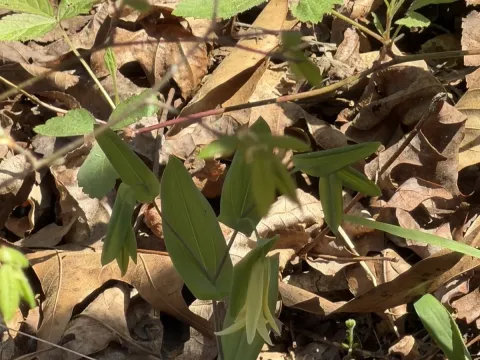
Uvularia
Uvularia
Propagating Uvularia is most effectively achieved by dividing the rhizomes. The ideal time for this task is in early spring before the foliage begins to emerge, or in early autumn after the growing season ends.
What the section contains
Uvularia
When propagating by seed, growers must account for the plant's need for a cold stratification period. Seeds should be sown in the garden or trays during late autumn to ensure exposure to cold, which breaks dormancy.
The sowing depth should be maintained at roughly 1 to 2 centimeters. It is advisable to apply a layer of mulch over the sowing site to preserve soil moisture and regulate temperatures during the winter months.
Seedlings exhibit slow growth rates and require consistent care. Removing weeds is essential, as the competition for nutrients can severely stunt the development of young Uvularia plants.
Moving the plants to their permanent location is recommended only once they have established a robust root system, which typically occurs after at least two years of consistent growth.
Uvularia belongs to the Colchicaceae family and is native to the woodland regions of North America. These plants thrive best in shaded or partially shaded environments that mimic their natural forest floor habitat.
A soil rich in organic matter, such as well-rotted leaf mold or compost, is necessary for optimal growth. The soil should be consistently moist but well-draining to prevent root issues during the growing season.
Maintaining a stable water balance is vital, as these plants do not tolerate drought. Regular monitoring and irrigation are necessary during dry spells to ensure the leaves do not wilt or scorch.
In terms of climate, Uvularia is hardy and capable of surviving cold winters. However, providing a light layer of mulch in colder regions helps protect the root system from extreme fluctuations in temperature.
Avoid planting in areas prone to standing water or heavy clay soils that compact easily. Good aeration and drainage are foundational requirements for ensuring the long-term health of this delicate perennial.
Slugs and snails are the most common pests, particularly in spring when the succulent new shoots appear. Gardeners should employ manual collection or non-toxic baits to minimize damage to the foliage.
Fungal diseases like grey mold may occur if environmental conditions become stagnant or overly humid. Ensuring proper spacing between plants is an effective preventative measure to maintain airflow.
Root rot is a critical threat often caused by poor drainage or overwatering. If the root system becomes compromised, the plant may quickly decline, making proper soil management the primary defense.
Nematodes can occasionally infest the root zone, causing stunted growth and distorted leaves. If infestation is detected, it is recommended to remove the affected plants and treat the surrounding soil.
Maintaining a clean garden environment is essential to reduce the risk of disease transmission. Regularly removing plant debris prevents pathogens from overwintering and infecting new growth in the following season.