
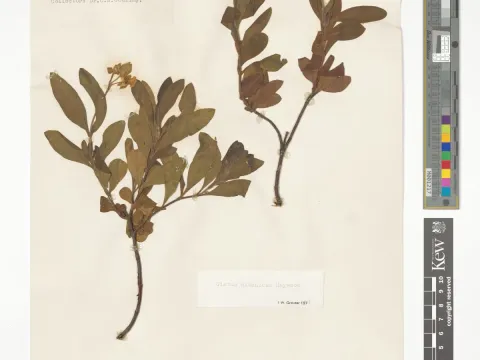
Cistus albanicus
Cistus albanicus
Cistus albanicus is a perennial evergreen shrub belonging to the Cistaceae family. Native to the Balkan Peninsula, it is specifically adapted to rocky, well-drained terrains where it thrives in harsh Mediterranean climates with high solar radiation.
What the section contains
Cistus albanicus
This species is characterized by its resilience to drought, utilizing specialized foliage to minimize water loss. It requires a full-sun location to ensure proper development and to stimulate the production of its signature resinous essential oils.
Soil requirements are strictly focused on drainage. Cistus albanicus cannot tolerate "wet feet"; therefore, sandy or gritty soils are ideal. Heavy clay soils must be heavily amended with gravel or organic matter to prevent root rot.
The plant is considered a low-maintenance crop regarding fertilization. Over-fertilizing, particularly with nitrogen, will lead to weak, succulent growth that is susceptible to pests and winter damage, rather than the desired compact and woody habit.
Climatically, it prefers mild winters and dry, warm summers. While hardy in its native range, cultivars in colder regions may require shelter from frost and wind to survive, often being kept in pots moved to protected areas during the winter months.
Root rot caused by Phytophthora species is the most significant threat to Cistus albanicus, usually occurring as a result of poor soil drainage or excessive irrigation.
Pests are generally not a major issue, though aphids may colonize the tender young growth during the spring, especially if the plants are stressed by drought or crowding.
Powdery mildew can occasionally affect the foliage if the air circulation around the shrub is poor or if the plant is grown in shaded, humid conditions.
Mechanical damage during cultivation can lead to fungal infections, so weeding and pruning should be performed carefully to avoid unnecessary wounding of the main stems.
Preventive care involves choosing a planting site that ensures rapid water runoff and keeping the root collar dry to inhibit the growth of pathogenic fungi.