
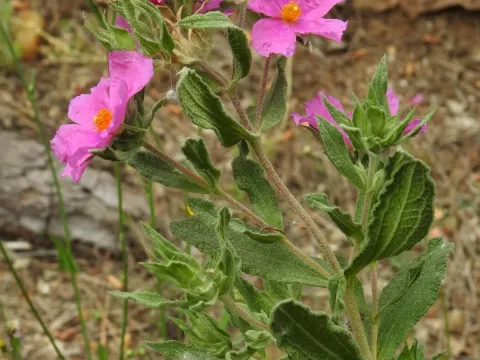
Cistus canescens
Cistus canescens
Sowing Cistus canescens seeds is best performed in the spring when soil temperatures reach 15–18 degrees Celsius. For propagation, seeds should be sown in containers with loose, well-draining substrate, ensuring they receive sufficient light to trigger germination.
What the section contains
Cistus canescens
In regions with mild climates, direct sowing in open fields is possible, though it requires prior seed stratification to ensure uniformity. The optimal sowing depth should not exceed 0.5–1 centimeter, as the small seeds are highly sensitive to the thickness of the soil layer.
For commercial cultivation, it is crucial to follow a proper planting pattern, maintaining a distance of at least 50–70 centimeters between plants to allow for healthy shrub development. Planting density must account for the need for active air circulation to prevent stagnant moisture.
Irrigation immediately after sowing should be moderate but regular until the first sprouts emerge. It is essential to avoid overwatering, as excessive moisture can quickly lead to fungal infections during the seedling stage.
Seedlings should be transplanted to their permanent outdoor location once the risk of nighttime frost has passed. To improve survival rates, it is recommended to harden off the plants for about a week before moving them to the field.
Cistus canescens belongs to the Cistaceae family and is a typical Mediterranean plant. It thrives in well-drained soils that are poor in nutrients and have a neutral or slightly acidic pH level.
The culture is extremely light-demanding and requires maximum exposure to direct sunlight throughout the entire vegetative period. Insufficient sunlight leads to leggy growth and a significant decrease in the concentration of essential oils in the foliage.
This species is highly drought-tolerant, making it a promising crop for arid zones. It cannot withstand waterlogging at the roots, so effective drainage is a critical requirement for successful cultivation in any climate.
Temperature requirements are moderate; the plant can withstand short periods of light frost but often requires winter protection or cultivation in portable containers in regions with harsh winters.
To optimize growth in industrial settings, minimal mineral fertilization is recommended, as excess nitrogen can negatively impact the plant's aromatic properties. Mulching the soil with gravel or sand is highly beneficial for mimicking its natural habitat.
The primary threats to this crop are related to high humidity, which triggers root rot. Fungal infections like Fusarium can lead to rapid plant mortality if the soil does not provide adequate aeration.
Regarding pests, sucking insects such as aphids and spider mites pose the greatest risk by feeding on the sap of young shoots. Their presence is usually an indication of improper microclimate conditions, particularly stagnant air and high humidity.
In neglected fields, powdery mildew can occur, especially during periods with sharp fluctuations in daily temperatures. Prevention is key and involves maintaining field hygiene and performing timely sanitary pruning of dry branches.
Disease and pest management should prioritize biological control methods to ensure the quality of the harvested plant material. Chemical treatments should only be used as a last resort and strictly before the flowering phase begins.
Regular monitoring of plant health is essential to identify infestations at an early stage. Crop rotation and avoiding overcrowding are fundamental practices for maintaining the long-term health of the plantation.
The harvest of Cistus canescens is conducted during the active flowering phase, when the concentration of essential oils and resinous substances in the leaves and flowers reaches its peak. This stage provides the highest-quality raw material for the perfume and pharmaceutical industries.
Harvesting should be performed in dry, sunny weather during midday, after the morning dew has evaporated. Pruning shears are used to carefully remove the upper parts of the flowering stems, ensuring that the woody sections of the plant are not damaged.
After collection, the material must be dried quickly in the shade within well-ventilated facilities. The drying temperature should not exceed 40 degrees Celsius to prevent the evaporation of volatile aromatic compounds.
For essential oil production, the raw material is often sent for steam distillation immediately after harvesting. In some cases, solvent extraction is used to obtain labdanum, a resinous substance widely demanded in the luxury cosmetics market.
Stored material should be kept in airtight containers, such as dark glass bottles or heavy-duty paper bags, away from direct sunlight. Properly processed and stored, the raw material retains its chemical properties for up to two years.