
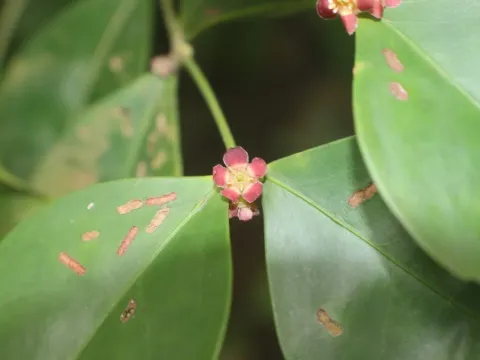
Walker's Spindle
Euonymus walkeri
Walker's Spindle (Euonymus walkeri) is a member of the Celastraceae family. It is a perennial ornamental shrub valued for its unique foliage and distinctive, decorative seed capsules that develop during the autumn season.
What the section contains
Walker's Spindle
Originating from specific Asian regions, this plant thrives in climates with moderate humidity and temperate weather patterns. It requires fertile, well-drained soil with a slightly acidic to neutral pH level to ensure proper nutrient uptake and vigor.
The plant prefers locations with full sun to partial shade exposure. While it is adaptable, placing it in an area with protection from harsh afternoon sun helps maintain the vibrancy of the foliage and prevents leaf scorch in sensitive young specimens.
Consistent watering is necessary during the establishment phase and active growth periods. However, it is crucial to avoid waterlogged soil conditions, as Euonymus species are susceptible to root rot if drainage is insufficient or soil remains overly saturated.
Providing a layer of organic mulch around the base of the plant helps regulate soil temperature and moisture levels. Occasional pruning helps maintain the desired shape and encourages denser branching, which enhances the overall ornamental appeal of the shrub.
Spider mites are common pests that thrive in dry, warm conditions, frequently attacking the foliage of Walker's Spindle. Regular monitoring of the leaves and maintaining appropriate moisture levels around the canopy can help mitigate infestations.
Powdery mildew is a significant fungal threat, especially in humid and poorly ventilated environments. It manifests as a white, dusty growth on leaves; prompt treatment with appropriate fungicides is required to prevent widespread damage.
Scale insects represent a persistent problem, attaching themselves to the stems and feeding on the plant's sap. Horticultural oils or systemic insecticides are typically employed to manage and eliminate these populations effectively.
Root rot is often caused by poor drainage or overwatering. Once established, this condition is difficult to reverse, making prevention through soil aeration and strict irrigation management the most reliable defensive strategy for gardeners.
Aphid outbreaks can also occur during the spring flush of new growth. While usually manageable, heavy infestations may require insecticidal soap applications to prevent distortion of the young leaves and shoots.