
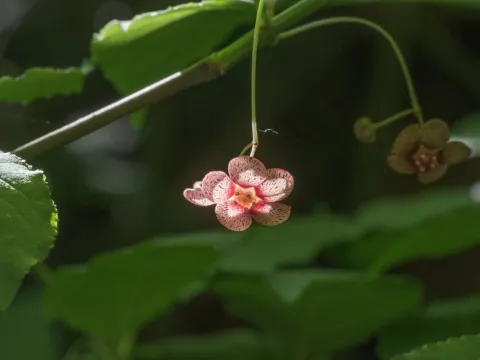
Western spindle
Euonymus occidentalis
Western spindle (Euonymus occidentalis) is a deciduous shrub belonging to the Celastraceae family. It is native to the western regions of North America, where it typically inhabits moist woodland environments, thriving in the dappled shade provided by canopy trees.
What the section contains
Western spindle
Botanically, this species is characterized by slender, spreading branches and opposite, ovate leaves with serrated margins. The plant produces modest, inconspicuous flowers in the spring, which are followed by distinctive reddish-purple seed capsules that add ornamental value during the autumn season.
When it comes to environmental requirements, Euonymus occidentalis prefers locations with partial shade and protection from harsh afternoon sun. It is particularly sensitive to soil moisture levels; therefore, consistent watering is essential during the active growing season, especially for young plantings.
The ideal soil for this species is a nutrient-rich, well-draining loam. While the plant can adapt to various soil types, it performs best when the substrate is kept moist but not waterlogged, as poor drainage significantly increases the risk of root health issues.
Cultivation practices should emphasize proper spacing to allow for air circulation, which prevents fungal problems. Pruning is recommended during the late dormant season to remove dead wood and maintain the desired shrub shape, supporting the overall vigor of the specimen.
Pests, such as aphids and spider mites, are the most common challenges encountered during the growing season. Early detection through regular monitoring and the application of appropriate horticultural oils or insecticidal soaps can effectively control these populations.
Fungal diseases like powdery mildew can affect the foliage if environmental conditions are overly humid with poor air movement. Maintaining clean growing conditions and ensuring that plants are not overcrowded are key preventive measures for maintaining plant health.