
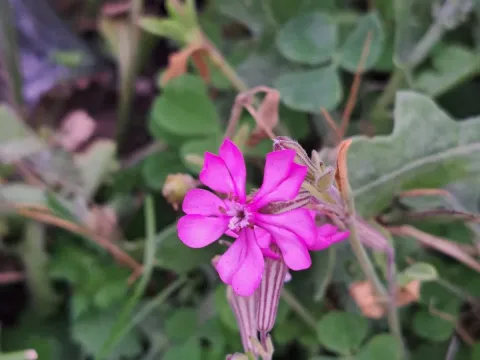
Mediterranean catchfly
Silene colorata
Silene colorata, commonly known as the Mediterranean catchfly, is an annual herb within the Caryophyllaceae family. It is widely recognized for its vibrant appearance and its adaptability to warm, temperate climates.
What the section contains
Mediterranean catchfly
Sowing in open fields should occur during the spring season once the soil has warmed up. The seeds are small and benefit from being surface-sown in well-prepared, fine-textured garden soil.
For controlled propagation, greenhouse sowing in late winter is highly effective. Seeds typically germinate within two weeks when maintained at consistent moderate temperatures.
Spacing is a critical factor for successful cultivation. Planting or thinning seedlings to a distance of 20 centimeters apart ensures adequate aeration and reduces humidity buildup around the base.
The plant demonstrates vigorous growth immediately following the initial establishment phase. Proper irrigation during the first few weeks after sowing is essential for achieving a uniform stand.
This species requires full sun exposure to thrive and produce its signature coloration. Sites with partial shade often result in leggy plants and reduced blooming intensity.
Well-drained, sandy, or stony soils are the most appropriate for Silene colorata. Heavy clay soils should be avoided or amended with sand to prevent waterlogging and root rot.
While the plant is highly drought-tolerant, supplementary irrigation during the peak flowering stage improves overall plant vitality and extends the blooming period.
Nutritional needs are modest. Excessive fertilization, particularly nitrogen, can encourage excessive foliage growth while hindering flower production, which is detrimental to the plant's aesthetic value.
Maintaining a neutral soil pH is ideal for the species. Its natural resilience allows it to compete reasonably well with low-growing vegetation if weeds are managed during the early development stages.
Powdery mildew is the most common pathological concern, particularly in areas with high nocturnal humidity. Improving air circulation is the primary cultural control measure.
Root rot caused by persistent soil moisture is another significant threat. Ensuring superior field drainage is essential to protect the root system from fungal pathogen attacks.
Aphids are the most frequent insect pests, often colonizing the succulent tips of stems. Early detection and application of insecticidal soaps can prevent widespread infestation.
Spider mites may affect the plants during prolonged hot and dry periods. Regular irrigation and maintaining a clean growing area are effective preventative strategies against these pests.
Good agricultural practice, including avoiding overhead irrigation in the late afternoon, is highly recommended to keep the foliage dry and reduce the risk of disease transmission.