
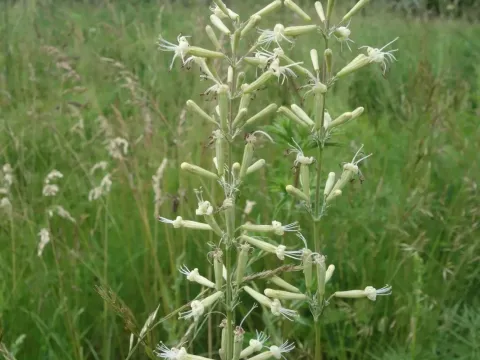
Many-flowered catchfly
Silene multiflora
Many-flowered catchfly (Latin Silene multiflora) is a perennial herbaceous plant belonging to the Caryophyllaceae family. It is recognized for its vertical growth pattern, pubescent stems, and distinctive clusters of flowers that define its biological profile.
What the section contains
Many-flowered catchfly
The native distribution area of this species typically spans the steppe and forest-steppe zones of Eurasia. Agriculturally, it thrives in environments that mimic these natural habitats, favoring well-drained locations with substantial solar exposure throughout the day.
The plant requires well-structured, loamy, or sandy soils to ensure optimal root development. A neutral to slightly alkaline pH is considered ideal for nutrient uptake, and the soil must possess good aeration properties to prevent the accumulation of excess moisture in the rhizosphere.
Climate adaptability is one of the key strengths of this species, as it is naturally selected for regions with significant seasonal temperature variations. It exhibits high drought tolerance, making it a viable candidate for sustainable cultivation in regions where water resources might be constrained.
Agricultural management primarily involves site selection and initial weed control during the establishment phase. Proper spacing is essential to encourage air circulation, which in turn promotes healthy foliage growth and enhances the overall vigor of the perennial stands during the peak growing season.
The species is susceptible to various fungal pathogens, specifically powdery mildew, which can thrive in humid conditions or poorly ventilated plantings. Maintaining proper spacing and ensuring the soil surface dries between watering cycles is the primary preventative strategy for these diseases.
Insect pests such as aphids and specific moth larvae can cause damage to the apical meristems and flowers. Regular scouting and early intervention with biological control agents or targeted treatments are recommended to protect the crop and ensure successful seed production for subsequent cycles.