
Petrorhagia glumacea
Petrorhagia glumacea
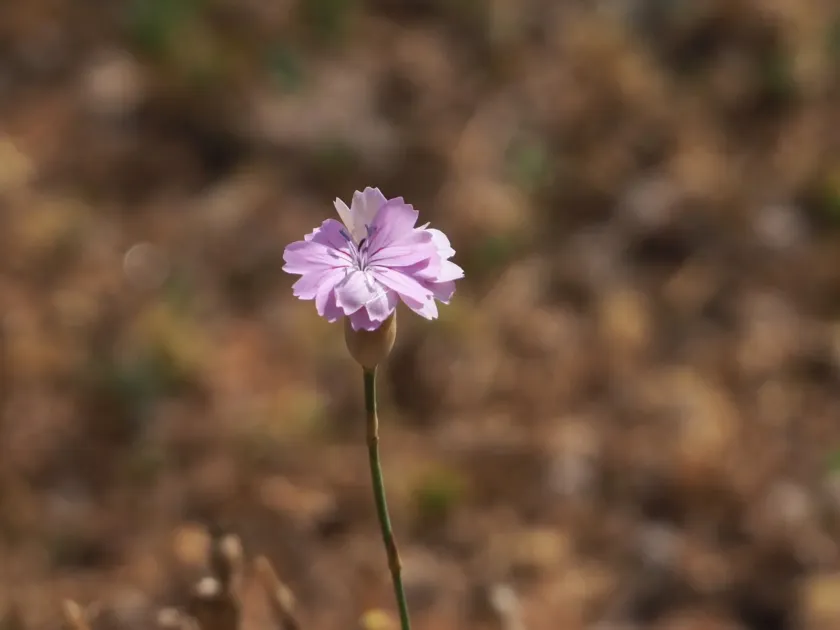
Description
Growing requirements
Petrorhagia glumacea is a herbaceous perennial plant belonging to the Caryophyllaceae family. Although not a primary agricultural crop for human consumption, it is highly valued in horticulture for its ability to thrive in rock gardens and landscapes where other species struggle to establish.
The plant requires full sun exposure to maintain its compact growth form. In its natural range, which includes parts of the Mediterranean and Asia Minor, it has adapted to harsh, rocky conditions, making it an excellent candidate for xeriscaping and sustainable garden management.
Soil requirements are relatively specific: the substrate must be exceptionally well-drained. Sandy or gravelly soils are ideal, as they mimic the natural stony environments where this species evolved. Heavy, clay-rich soils are generally unsuitable unless significantly modified.
From a botanical perspective, the species forms dense mats of fine, narrow foliage. During the blooming season, it produces numerous small, clustered flowers that provide a delicate texture, making it a popular choice for rockery borders and low-maintenance ground cover projects.
Climatic requirements involve moderate summer temperatures and the ability to withstand dry periods. While generally hardy, the plant benefits from protection against excessive winter moisture, which is the primary cause of plant death in temperate climates.
Main diseases and pests
The most significant threat to the health of Petrorhagia glumacea is fungal infection, primarily root rot and damping-off, which occur when soil drainage is insufficient. Ensuring a dry environment around the root crown is crucial for long-term survival.
Pests such as spider mites may infest the foliage during hot, dry summer months. Maintaining adequate plant spacing and ensuring good airflow can significantly reduce the risk of such infestations.
Aphids can also occasionally target the young inflorescences, causing curling or stunted growth. If populations become high, insecticidal soap or localized application of natural predators is recommended to mitigate the impact.
Weed competition is a major factor during the establishment phase. Because the plant grows relatively slowly, regular weeding around the base of the plant is necessary until it achieves full ground coverage.
Slugs and snails can cause significant damage to the soft, succulent-like foliage during damp spring weather. Implementing physical barriers or organic baits around the perimeter of the planting area is an effective control strategy.