
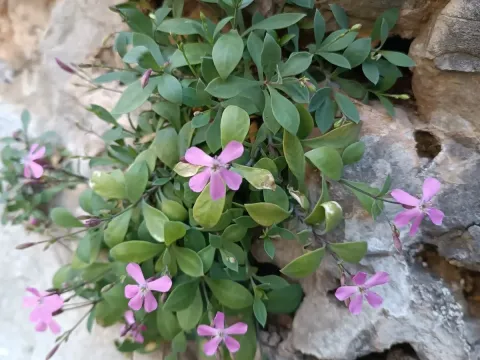
Petrocoptis
Petrocoptis
Sowing Petrocoptis seeds in temperate climates is recommended during the spring season, typically in March or April. Using the seedling method is the optimal approach for better control over germination.
What the section contains


Petrocoptis
Seeds should be sown in a light, well-drained substrate without burying them too deeply. For successful germination, place the containers in a bright location with moderate air temperatures.
Once seedlings have developed several pairs of true leaves, transplant them into individual pots. This practice encourages the development of a strong root system before final planting outdoors.
The hardened seedlings are moved to their permanent location in late spring after the threat of frost has passed. This allows the plant to adapt to its new environment efficiently.
It is important to maintain a stable temperature regime during the early stages of plant development. Fluctuations in moisture levels in seed trays can adversely affect the growth of fragile seedlings.
Petrocoptis is a perennial herbaceous plant belonging to the Caryophyllaceae family, primarily native to the rocky regions of the Iberian Peninsula.
For healthy growth, the plant requires areas with good light exposure and protection against waterlogging. The species is highly sensitive to excessive moisture in the root zone.
Ideal soil for cultivation is loose, limestone-based, and rocky, maintaining a neutral or slightly alkaline pH level, which mimics its natural habitat conditions.
During the active vegetation period, the plant requires moderate watering. Excess moisture often causes rot in the leaf rosettes, which is a critical mistake in Petrocoptis care.
In regions with harsh winters, the plant benefits from minimal protection or being placed in wind-sheltered areas. Its excellent winter hardiness allows it to survive low temperatures provided the soil remains dry.
The primary threat to Petrocoptis is root and stem rot, which develops as a result of waterlogging and poor soil aeration.
Among pests, slugs and snails are the most common concern, as they damage the delicate foliage, particularly during rainy seasons. Barrier methods are recommended for effective protection.
In overcrowded plantings, powdery mildew may develop, requiring the immediate removal of infected areas and the application of fungicides.
Improper lighting conditions lead to leggy growth and diminished aesthetic appeal, making the plants more susceptible to secondary infections.
Disease prevention is based on strict adherence to horticultural practices, including mulching with gravel to prevent the foliage from making direct contact with moist soil.