
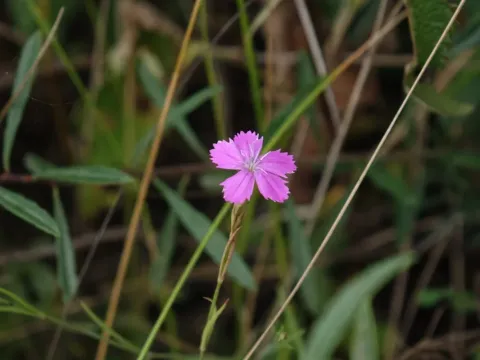
Bicolor pink
Dianthus bicolor
Sowing of Dianthus bicolor seeds should ideally commence in late winter or early spring in a controlled greenhouse environment to ensure a robust start.
What the section contains
Bicolor pink
The seeds require a fine, well-draining seed-starting mix and should be covered only very lightly with soil, as they need a moderate amount of light to germinate effectively.
Temperature control is essential during the germination phase; maintaining a steady level around 18–20 degrees Celsius will yield the best emergence rates.
For outdoor sowing, the soil must be free of frost and adequately warmed, typically requiring late spring conditions to avoid seedling stunt.
Transplanting seedlings to their final location is best performed once the danger of late frost has completely passed and the plant has developed a strong root system.
Dianthus bicolor is a member of the Caryophyllaceae family and thrives best in full sun, which is vital for maintaining its distinct petal coloration and compact habit.
The soil must be neutral to slightly alkaline, sandy or loamy, and possess excellent drainage properties to prevent any form of crown or root rot.
Adequate spacing is necessary to ensure proper air circulation around the plants, which significantly reduces the risk of fungal pathogens in the foliage.
Fertilization should be balanced, focusing on moderate nitrogen levels to encourage lush foliage while ensuring enough phosphorus to support abundant blooming.
Watering practices should be consistent but careful; avoiding overhead irrigation helps to keep the foliage dry and prevents the onset of common leaf spot diseases.
Fungal diseases such as rust and Fusarium wilt represent the most significant threats to the long-term health and stability of the planting site.
Aphids are frequent visitors during the spring months, feeding on the tender growth and potentially transmitting viral infections to healthy stems.
Spider mites can become a nuisance during hot, dry spells, causing the leaves to yellow and leading to a rapid decline in the plant's overall aesthetic quality.
Effective management includes regular monitoring for pests and the application of fungicides or insecticides only when economic thresholds are met.
Cultural practices like maintaining weed-free beds and removing dead plant debris are essential for reducing the inoculum level of pathogens in the garden soil.