
Bog stitchwort
Stellaria uliginosa
Description
Growing requirements
Bog stitchwort is a perennial herbaceous plant from the Caryophyllaceae family. It is strictly adapted to moist environments and is commonly found in wetlands, marshy areas, and along the edges of streams and ponds.
Geographically, it is widely distributed across the temperate regions of the Northern Hemisphere. Its presence is typically a clear indicator of poor soil drainage or high water tables, which makes it a notable species for land surveys.
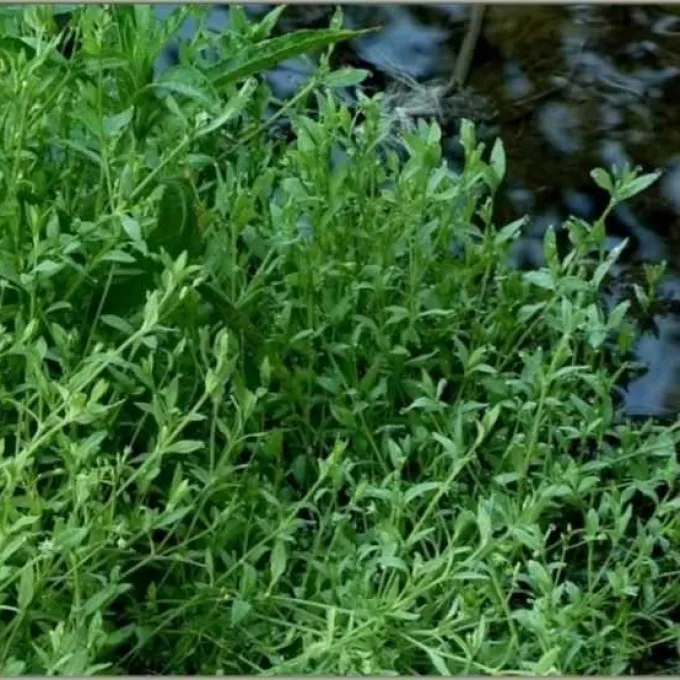
The morphology of the plant includes slender, branched stems that tend to sprawl or trail along the ground. Its leaves are opposite and sessile, while the small white flowers possess bifid petals, which are a characteristic trait of the Stellaria genus.
Regarding soil requirements, it thrives in damp, nutrient-rich substrates. It cannot tolerate drought or prolonged dry periods, as its root system is shallow and requires constant access to moisture for survival and nutrient uptake.
In agricultural contexts, this plant is generally viewed as an indicator species. While it is not a cultivated crop, its proliferation in fields often signals that specific land management practices, such as tiling or dredging, are required to improve crop performance.
Main diseases and pests
As a native plant in wetland ecosystems, Bog stitchwort is not susceptible to common agricultural pests that target commercial crops. Its natural environment provides a degree of immunity against many pests.
Disease pressure on this species is minimal, though it can act as a secondary host for certain fungal pathogens in extremely wet, unmanaged areas. However, this rarely impacts adjacent conventional farming operations.
The primary control mechanism is the alteration of the hydrological cycle. By improving field drainage, farmers effectively eliminate the habitat required for Bog stitchwort, leading to a natural decline of its population.
Chemical herbicides designed for broad-leaved weeds are effective against this species, but they are typically unnecessary unless the plant is significantly interfering with drainage infrastructure or sensitive meadow management.
Cultivation practices such as deep ploughing and regular tillage on well-drained soil prevent the establishment of Bog stitchwort, ensuring the land remains clear of this wetland-adapted vegetation.