
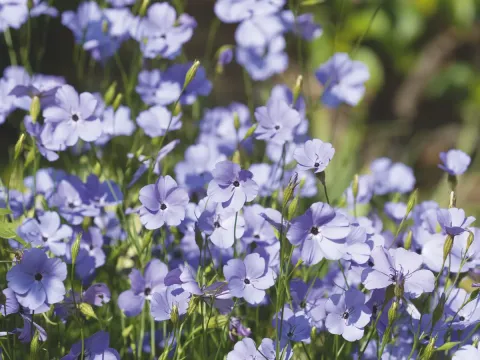
Berger's catchfly
Silene bergeriana
Berger's catchfly is an ornamental member of the Caryophyllaceae family. Direct sowing in open fields is typically scheduled for spring once the soil temperature consistently reaches at least 10 degrees Celsius.
What the section contains
Berger's catchfly
For more control over early development, greenhouse propagation is highly recommended. Seeds should be sown in shallow containers using a light, well-draining seed-starting mix during the early spring months.
Seeds are tiny and require only a very thin covering of soil or grit. Light is essential for successful germination, so ensure the sowing depth does not exceed 0.5 centimeters to prevent delayed emergence.
Seedlings usually emerge within two weeks when kept at a stable temperature of 18-20 degrees Celsius. Once the first true leaves appear, thinning or transplanting into individual plugs is necessary to promote strong root systems.
When transplanting into the garden, a spacing of 20 to 25 centimeters between plants is recommended. This density creates a lush, uniform carpet effect while maintaining the airflow needed for plant health.
This species thrives in locations with full sun exposure. While it may tolerate partial shade, maximum flowering intensity and compact growth are only achieved under direct sunlight conditions throughout the day.
The soil should be fertile, light, and sandy, with a neutral to slightly alkaline pH. Drainage is the most critical factor, as stagnant water is detrimental to the survival of this plant species.
Watering should be managed consistently, keeping the soil moist but never saturated. In established plantings, the species exhibits a moderate level of drought tolerance once roots are well-entrenched.
Routine fertilization with a balanced, water-soluble fertilizer helps sustain vigorous growth. Focus on low-nitrogen formulas during the pre-flowering stage to prevent excessive foliage development at the expense of blooms.
Weed control is essential during the early stages of growth, as the plant can be easily suppressed by vigorous competitive weeds. Frequent light hoeing around the base can help maintain optimal growing conditions.
Powdery mildew is the most common fungal issue, particularly in regions with high humidity and limited airflow. Proper spacing and avoiding overhead irrigation are the best preventative measures against this disease.
Root rot occurs if drainage is poor or if the soil remains waterlogged for extended periods. If signs of yellowing appear, drainage must be improved immediately to save the remaining root structure.
Aphids are frequent pests that congregate on new growth and flower buds. Infestations should be treated promptly with horticultural soap or systemic insecticides to prevent damage to the aesthetic quality of the blooms.
Spider mites can become problematic during hot, dry spells. Monitoring the undersides of the foliage is critical, as these pests can cause significant desiccation if not controlled with appropriate miticides.
Cultural hygiene remains the foundation of pest and disease management. Promptly removing dead plant debris and managing neighboring weed populations drastically reduces the pressure from common garden pests.