
Sandwort
Arenaria emarginata
Description
Growing requirements
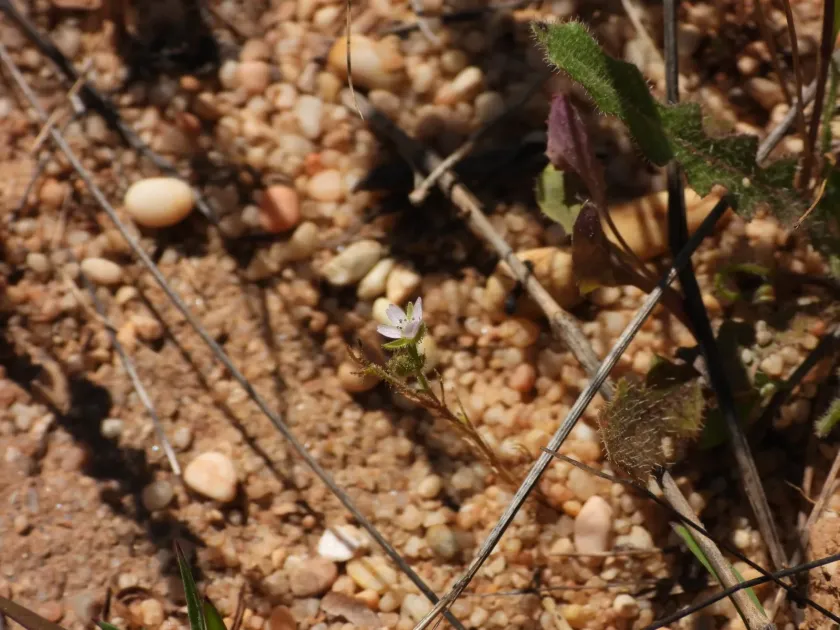
Sandwort (Arenaria emarginata) is a herbaceous perennial plant belonging to the Caryophyllaceae family. It is recognized for its unique adaptation to harsh, nutrient-poor environments, typically thriving in sandy or rocky soils.
The plant has evolved to tolerate low-moisture conditions, making it an excellent candidate for xeriscaping. Successful cultivation requires full sun exposure and an environment that mimics its natural habitat to ensure healthy development.
Soil quality is paramount, with a primary focus on drainage. Any water retention around the roots can be fatal to Arenaria emarginata, so farmers must ensure that the substrate is loose and highly permeable.
Botanically, this species is defined by its low-growing, mat-forming habit and distinctive notched petals. The root system is deep and efficient, designed to draw moisture from deeper soil layers during extended periods of drought.
In terms of agricultural use, this plant is increasingly utilized for land reclamation and as a decorative ground cover in landscapes where soil erosion is a concern. Its ability to stabilize soil surfaces adds significant value to ecological preservation projects.
Main diseases and pests
Fungal diseases are the primary threat to the stability of an Arenaria emarginata plantation, particularly when air circulation is poor or humidity levels rise significantly during the growing season.
Pests such as spider mites and aphids represent a secondary threat. These insects tend to target the plant during heat waves, weakening the foliage and potentially leaving the plant susceptible to secondary infections.
Competition from aggressive weeds is another critical management factor. Because the plant grows in a compact, slow-spreading manner, weeds can easily overshadow it, depriving it of essential sunlight and soil nutrients.
Improper fertilization practices can negatively impact plant health. The use of high-nitrogen fertilizers is generally discouraged, as it promotes succulent, fragile growth that lacks the necessary resilience to withstand environmental stress.
Effective management strategies should focus on preventive cultural practices, such as maintaining optimal planting density and ensuring the site is free of persistent weeds, which helps to maintain the plant's long-term health and vigor.