
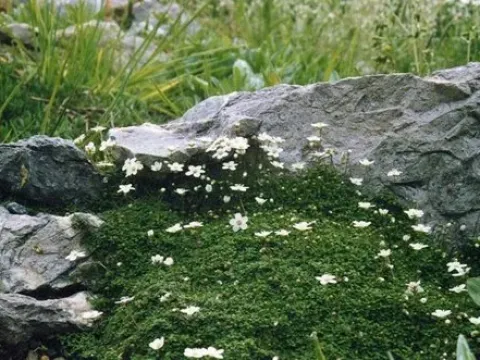
Sandwort
Arenaria
Sandwort, belonging to the Caryophyllaceae family, is typically propagated through seeds or division of established clumps. Sowing directly into the garden soil is best performed in early spring once the risk of frost has passed.
What the section contains


Sandwort
For indoor propagation, seeds can be started in late winter using trays filled with a well-draining, sandy compost mix to simulate the plant's natural habitat conditions.
Division of mature plants is best conducted in the autumn season, allowing the root systems to establish themselves before the onset of extreme winter temperatures.
When sowing, seeds should be surface-sown and only lightly pressed into the soil, as they require adequate light to trigger the germination process successfully.
Proper spacing is essential to ensure air circulation; seedlings should be thinned to a distance of 10 to 15 centimeters to allow for healthy, dense growth patterns.
Sandwort thrives in full sun exposure, which is vital for maintaining its characteristic tight, carpet-like growth habit and promoting healthy, vigorous blooming.
The ideal soil for this species is nutrient-poor, gritty, or sandy, mimicking the rocky mountain slopes and dunes where the plant naturally originates.
Excessive organic matter or overly rich soil can lead to rapid, weak growth that makes the plant prone to collapsing and losing its structural integrity.
The plant is highly drought-tolerant and performs best with minimal irrigation; gardeners should strictly avoid waterlogged conditions to prevent root stress.
Providing excellent drainage is the most critical element of cultivation, often requiring the addition of grit or pebbles to the planting area to ensure long-term survival.
The most significant threat to Sandwort is excessive soil moisture or high humidity, which frequently results in crown rot and various fungal diseases that damage the delicate stems.
Slugs and snails are primary pests, particularly during wet seasons, as they find the dense, low-growing foliage to be an attractive food source for their populations.
Poor ventilation within the garden beds can encourage the development of powdery mildew, which manifests as a white, dusty layer on the foliage and weakens the plant.
To mitigate these risks, it is recommended to maintain clean garden surroundings and ensure that the area around the base of the plant remains dry and free of debris.
Regular monitoring of plant health and the removal of any diseased or decaying parts are essential practices to prevent the spread of infections to neighboring plants.