
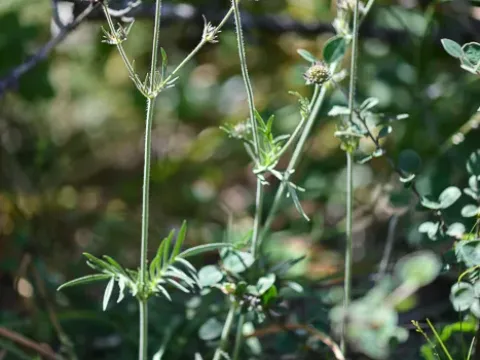
Knautia collina
Knautia collina
Sowing of Knautia collina is best performed in early spring or late autumn to allow the seeds to undergo necessary stratification. It is crucial to prepare a fine seedbed to ensure high germination rates.
What the section contains
Knautia collina
Seeds should be sown at a shallow depth of 1-2 centimeters. Covering them with a thin layer of soil and compacting the surface improves moisture contact for the developing embryos.
Row spacing for seed production typically ranges between 30 and 45 centimeters to allow for mechanical weeding and proper air circulation. In the first year, plants invest heavily in root growth and leaf rosette formation.
This species is often included in perennial meadow mixtures. When using mixtures, the seeding rate should be adjusted based on the composition of other legumes and grasses in the blend.
Establishing the crop requires careful monitoring of soil moisture during the first few weeks after sowing. In dry climates, supplemental irrigation significantly increases the success of stand establishment.
Knautia collina belongs to the Caprifoliaceae family and thrives in open, sunny locations. It is well-adapted to meadows and hilly landscapes with limestone-rich, well-drained soils.
The plant demonstrates significant tolerance to drought once established, thanks to its deep and branched taproot system. It prefers neutral to slightly alkaline soil conditions for optimal growth.
Winter hardiness is one of the key strengths of this species, making it suitable for various temperate climates. It avoids waterlogged areas, which can lead to root degradation and stunted development.
As a nectar-rich plant, it plays a vital role in supporting local pollinator populations, including various species of bees and butterflies. This makes it an environmentally friendly choice for biodiversity patches.
Maintaining soil fertility through periodic application of potassium and phosphorus promotes vigorous flowering. The plant does not require high levels of nitrogen fertilizers, which can sometimes lead to lodging.
The biomass yield of Knautia collina is highly dependent on the density of the stand and the age of the crop. It provides high-quality roughage that is rich in essential micronutrients for livestock.
Seed yield varies depending on the success of pollination. Fields located near active apiaries often show higher seed setting due to the intense activity of insect pollinators.
To maximize the quality of the harvested biomass, it should be mowed at the onset of the flowering stage. This timing captures the best balance between protein content and fiber digestibility.
Productivity tends to peak in the second and third years of cultivation. Beyond the fourth year, a gradual decline in biomass is common, suggesting a need for field rotation or reseeding.
The economic value of this crop is twofold: it serves as both a quality forage source and a high-value honey plant, providing diversification for agricultural enterprises.
Powdery mildew is a common fungal threat, especially in humid conditions or areas with poor air circulation. Thinning stands or selecting well-ventilated fields can mitigate this risk.
Aphids and certain leaf-eating beetles may damage the foliage, particularly in the spring. Monitoring and biological pest control methods are preferred over chemical interventions.
Root rot occurs in poorly drained soils. Selecting sites with natural slope or high gravel content in the subsoil is the best way to prevent this infection from spreading.
Rust diseases may appear on leaves during wet seasons. Crop rotation and removing infected plant debris after the harvest are effective sanitation practices for the field.
General plant health is maintained by ensuring proper nutrient balance. Strong, well-nourished plants are significantly more resistant to environmental stressors and typical meadow pathogens.
Harvesting for forage should take place when the plants are in early flower. This ensures the crop is palatable and nutrient-dense, providing optimal dietary value for farm animals.
Seed harvesting requires attention to timing to prevent shattering. Using combines with low-speed settings helps reduce mechanical damage to the seeds during the threshing process.
Immediate post-harvest drying is essential to maintain seed viability. The moisture content of the seeds should be kept below 14% to prevent molding during long-term storage.
Mowing height should be maintained at 5-7 centimeters above the ground to support rapid regrowth. This practice helps ensure the plant can build energy reserves for the following season.
Efficient handling and drying equipment are vital for maintaining the quality of the harvested yield, ensuring that both forage and seeds remain free from contaminants and moisture damage.