
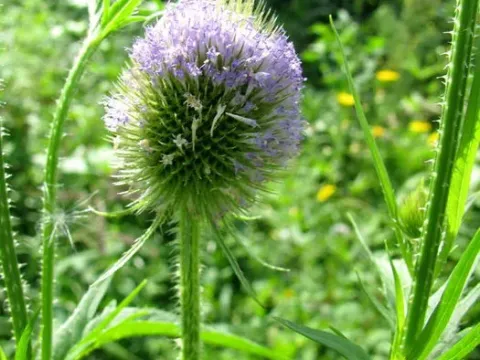
Gmelin's teasel
Dipsacus gmelinii
Gmelin's teasel is a perennial herb that is primarily propagated by seeds, which should be sown in autumn for natural stratification or early spring.
What the section contains
Gmelin's teasel
When sowing in spring, seeds should be placed into prepared soil at a depth of 1–2 centimeters, ensuring they are not buried too deeply to maintain viability.
Consistent soil moisture is crucial during the germination stage, as the seeds are quite sensitive to drought during the initial weeks of development.
For field cultivation, row spacing should be maintained at 45–60 centimeters to allow for optimal plant development and effective weed control measures.
Seedlings typically emerge within 2–3 weeks, after which thinning is necessary to remove overcrowded plants and ensure the health of the remaining crop.
This crop thrives in full sunlight and requires open, unshaded areas to reach its maximum vegetative potential and produce robust flower stalks.
Rich, well-drained loamy soils with a neutral pH level are considered ideal for the successful growth and productivity of Gmelin's teasel.
While the plant shows good adaptation to various environments, it performs best when provided with regular moisture during the peak summer growth phases.
The species is generally hardy and can withstand moderate winter temperatures, making it suitable for cultivation in temperate climate zones.
Proper soil aeration is essential, as waterlogged conditions can lead to root rot and other physiological disorders that reduce plant yield significantly.
The yield potential depends largely on proper crop management, including timely weed suppression and the application of balanced mineral fertilization.
As a notable honey plant, its productivity can also be measured by its nectar secretion rates during the prolonged summer flowering period.
Seed harvesting should be performed when the heads turn brown to prevent premature shattering, which is a common challenge with this species.
In well-managed plantations, the yield of seeds and dry biomass can provide reliable economic returns for specialized agricultural operations.
Strategic harvesting cycles are necessary to maintain plantation vigor over several seasons without compromising the quality of the raw botanical material.
Powdery mildew represents a primary threat to Gmelin's teasel, particularly in regions with high humidity levels and poor air circulation within the canopy.
Aphids and spider mites are among the most common pests that can infest the foliage, requiring active monitoring throughout the growing season.
Integrated pest management strategies, such as using natural predators and biological fungicides, are recommended to maintain plant health and safety.
Maintaining a clean field free of perennial weeds is vital, as early-stage competition can severely stunt the development of young teasel plants.
- Routine pest inspection
- Drip irrigation for moisture control
- Safe chemical application when necessary
The harvesting of flower heads for decorative or medicinal purposes should occur after full maturation, ensuring the heads have dried properly on the stalk.
Roots, if harvested for medicinal use, should be lifted in late autumn or early spring when the plant is dormant and active ingredients are concentrated.
Immediate post-harvest cleaning and drying are essential to prevent the accumulation of mold and preserve the chemical integrity of the harvested material.
Drying should take place in controlled environments with adequate ventilation, avoiding excessive heat that could degrade natural plant compounds.
Packaged products should be stored in a cool, dry area with low humidity to ensure long-term shelf life and high market value for the final agricultural goods.